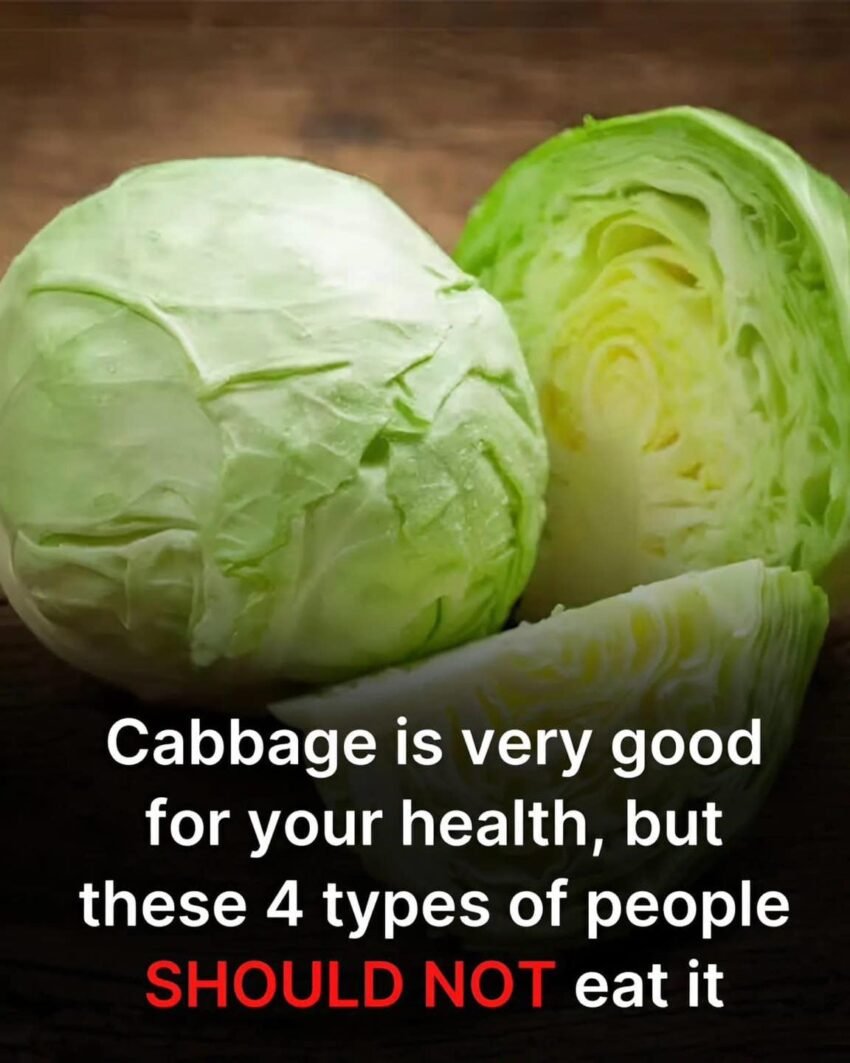
Cabbage is a nutritious vegetable packed with vitamins, fiber, and antioxidants, and is a staple in many healthy diets. However, due to its specific properties, there are certain groups of people who may need to limit or avoid it to prevent discomfort or health complications.
Here are four types of people who should consider avoiding or significantly limiting their cabbage intake:
1. People with Thyroid Disorders (Especially Hypothyroidism)
Cabbage is a goitrogenic vegetable, meaning it contains compounds (goitrogens) that can interfere with thyroid hormone production by inhibiting iodine uptake. For individuals with an underactive thyroid (hypothyroidism) or iodine deficiency, consuming large amounts of raw cabbage could potentially exacerbate the condition.
-
Consideration: Cooking significantly reduces the goitrogenic compounds. Those with well-managed hypothyroidism (e.g., on consistent medication) can usually eat moderate amounts of cooked cabbage without issue, but should consult their doctor, especially regarding raw cabbage or juicing.
2. Individuals Prone to Severe Gas and Bloating
Cabbage is high in raffinose, a complex sugar, and fiber. The human body lacks the enzyme to break down raffinose, so it ferments in the large intestine, producing gas. For people with sensitive digestive systems, irritable bowel syndrome (IBS), or those prone to bloating, this can lead to significant discomfort, cramping, and flatulence.
-
Consideration: Fermented cabbage (like sauerkraut) may be easier to digest for some due to its probiotics, but can still cause gas. Cooking cabbage also helps break down some of the fibers, making it slightly gentler.
3. People on Blood-Thinning Medication (Warfarin/Coumadin)
Cabbage is rich in Vitamin K, a vitamin crucial for blood clotting. For individuals taking anticoagulant medications like warfarin, consistency in Vitamin K intake is vital. A sudden, large increase in cabbage consumption could counteract the medication’s effect, potentially increasing the risk of blood clots.
-
Consideration: The key is consistency, not complete avoidance. Patients can include cabbage in their diet, but the amount should be stable from week to week. Any major dietary changes should be discussed with their healthcare provider to adjust medication if necessary.
4. Those with a Specific Food Intolerance or Allergy
While rare, some individuals may have an allergy to cabbage or other vegetables in the Brassicaceae family (like broccoli or cauliflower). More commonly, people may have an intolerance to the FODMAPs (fermentable sugars) in cabbage, which can trigger IBS-like symptoms such as gas, bloating, diarrhea, and stomach pain.
-
Consideration: An elimination diet under the guidance of a doctor or dietitian can help identify if cabbage is a trigger food.
Important Advice: Moderation and Consultation
For most people, cabbage is a healthy food. The concerns above often relate to consuming large quantities, particularly raw.
-
Listen to Your Body: If you experience persistent digestive upset after eating cabbage, it might be best to limit it.
-
Cooking Helps: Steaming, sautéing, or boiling cabbage can reduce the impact of goitrogens and make it easier to digest than eating it raw.
-
When in Doubt, Talk to a Professional: If you have a medical condition (thyroid, blood clotting, IBS), always consult your doctor or a registered dietitian for personalized dietary advice. They can help you determine a safe and healthy amount for your individual situation.