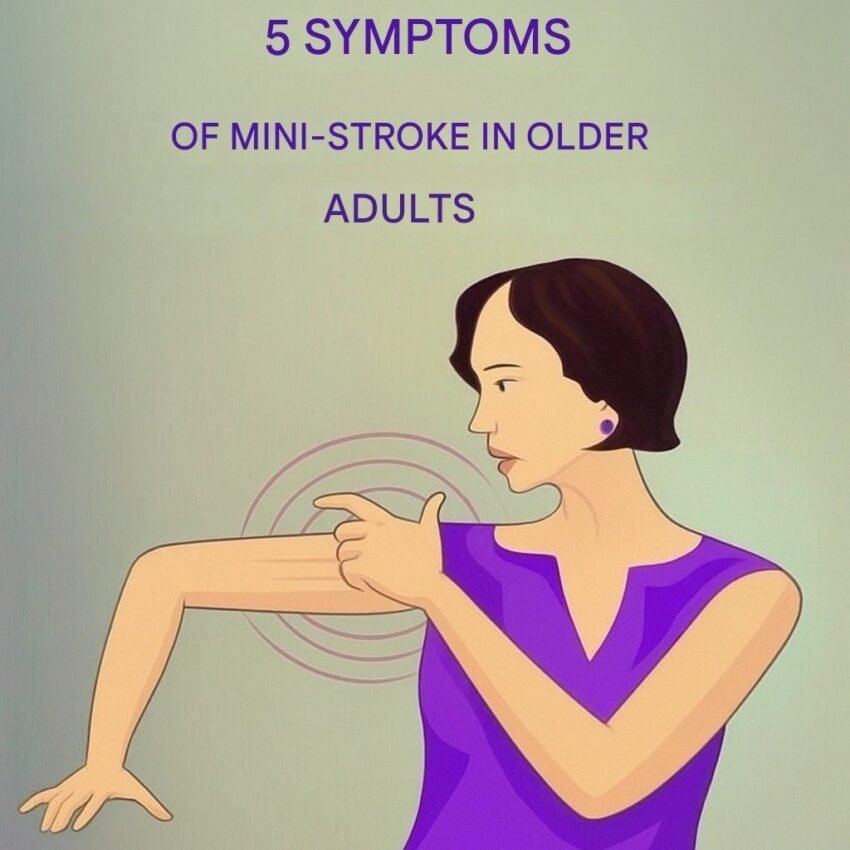
Absolutely. Recognizing the signs of a Transient Ischemic Attack (TIA), often called a “mini-stroke,” is crucial because it’s a major warning that a full stroke could be imminent. TIAs cause temporary symptoms but require immediate emergency attention.
Here are 5 key symptoms in seniors that should never be ignored, using the FAST guide and additional signs:
🚨 5 Critical Symptoms of a TIA (“Mini-Stroke”)
1. Sudden Numbness or Weakness
-
Especially on one side of the body.
-
Face drooping, arm or leg weakness, or a lopsided smile.
2. Sudden Confusion or Trouble Speaking
-
Slurred speech, difficulty finding words, or understanding others.
-
May seem suddenly disoriented.
3. Sudden Vision Problems
-
Vision loss or dimming in one or both eyes.
-
Double vision or blurred sight.
4. Sudden Dizziness or Loss of Balance
-
Unexplained vertigo, stumbling, lack of coordination.
-
May be mistaken for a fall or “just feeling dizzy.”
5. Sudden Severe Headache
-
A “thunderclap” headache with no known cause—often described as “the worst headache of my life.”
⏳ Why TIAs Are an Emergency
-
A TIA is a warning stroke: About 1 in 3 people who have a TIA will later have a stroke, with nearly half occurring within 48 hours.
-
Treatment can prevent a major stroke: Immediate evaluation can lead to interventions like blood thinners, surgery, or lifestyle changes that drastically reduce risk.
-
Do not wait for symptoms to pass: Even if symptoms disappear in minutes, call emergency services.
🧠 Other Less-Known Signs in Seniors
-
Sudden memory lapses or confusion about familiar tasks.
-
Unexplained sudden fatigue, nausea, or general weakness.
-
Brief episodes of tingling that resolve quickly.
✅ What to Do If You Suspect a TIA
-
Call Emergency Services Immediately (do not drive yourself).
-
Note the time symptoms started.
-
Stay with the person, keep them calm and seated or lying down.
-
Do not give food, drink, or medication.
-
Inform doctors of any medications and medical history.
🛡️ Prevention After a TIA
Follow-up care is essential and may include:
-
Medications (antiplatelets like aspirin, anticoagulants).
-
Managing risk factors: High blood pressure, diabetes, cholesterol, atrial fibrillation.
-
Lifestyle changes: Diet, exercise, quitting smoking.
-
Possible procedures: Carotid artery surgery or stenting.
Bottom line: Any sudden neurological symptom—even if it disappears quickly—is a brain emergency. Rapid action saves brains and lives.