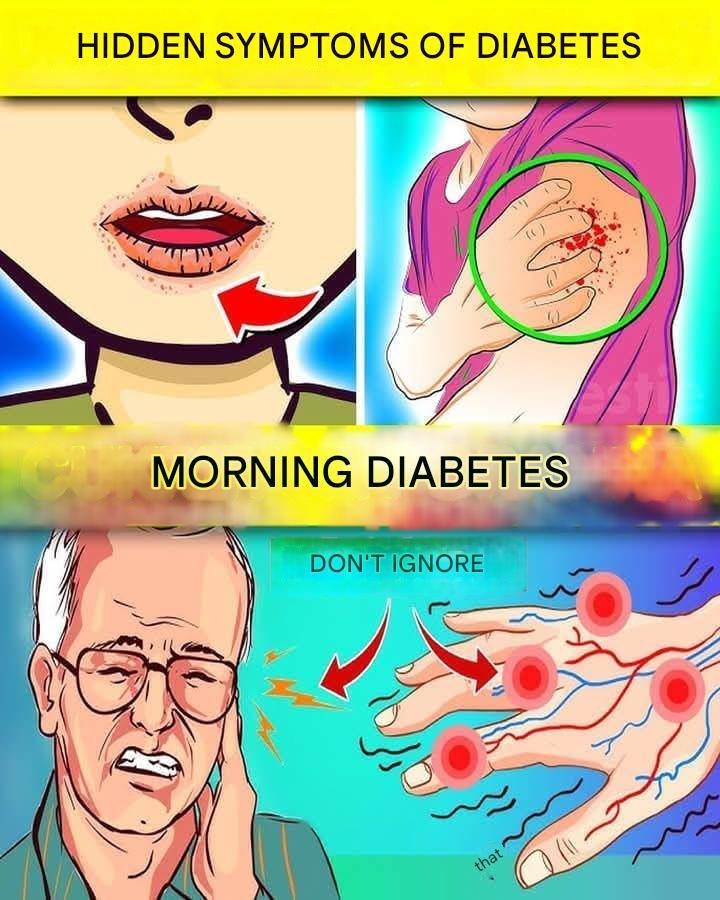
7 Nighttime Symptoms of Diabetes
If you have diabetes or prediabetes, you may experience symptoms at night due to blood sugar fluctuations. Here are common nighttime signs to watch for:
-
Frequent Urination (Nocturia) – Waking up multiple times to urinate.
-
Excessive Thirst – Needing to drink water throughout the night.
-
Night Sweats – Waking up with damp clothes or sheets.
-
Restless Sleep or Insomnia – Difficulty falling or staying asleep.
-
Morning Headaches – Waking up with a headache due to nighttime highs or lows.
-
Nighttime Hypoglycemia Symptoms – Shakiness, confusion, nightmares, or waking up feeling panicked (often due to low blood sugar).
-
Fatigue Upon Waking – Despite a full night’s sleep, feeling unrested.
Tips to Stabilize Blood Sugar Levels at Night
-
Evening Meal Choices
-
Eat a balanced dinner with fiber, lean protein, and healthy fats.
-
Avoid large meals close to bedtime and limit refined carbs/sugars.
-
-
Evening Snack (if needed)
-
A small, balanced snack before bed can prevent nighttime lows (e.g., a few almonds, plain yogurt, or a slice of whole-grain toast with peanut butter).
-
-
Monitor Blood Sugar
-
Check levels before bed and, if advised, during the night (especially if you suspect lows or highs).
-
-
Limit Alcohol and Caffeine
-
Alcohol can cause delayed hypoglycemia; caffeine may disrupt sleep and affect glucose for some.
-
-
Consistent Physical Activity
-
Regular exercise helps improve insulin sensitivity, but avoid intense workouts right before bed.
-
-
Medication Timing
-
Take medications or insulin as prescribed, and discuss timing with your healthcare provider if nighttime issues arise.
-
-
Hydrate Wisely
-
Drink enough water earlier in the day but reduce intake 1–2 hours before bed to minimize nocturia.
-
-
Sleep Environment & Routine
-
Establish a regular sleep schedule and create a dark, cool, quiet sleeping environment.
-
-
Stress Management
-
Practice relaxation techniques (deep breathing, meditation) before bed, as stress can raise blood sugar.
-
Important: If you regularly experience symptoms like night sweats, severe thirst, or suspected hypoglycemia, consult your doctor. They may need to adjust your treatment plan.
Disclaimer: This information is for educational purposes and is not a substitute for professional medical advice. Always consult with your healthcare provider for personalized guidance.