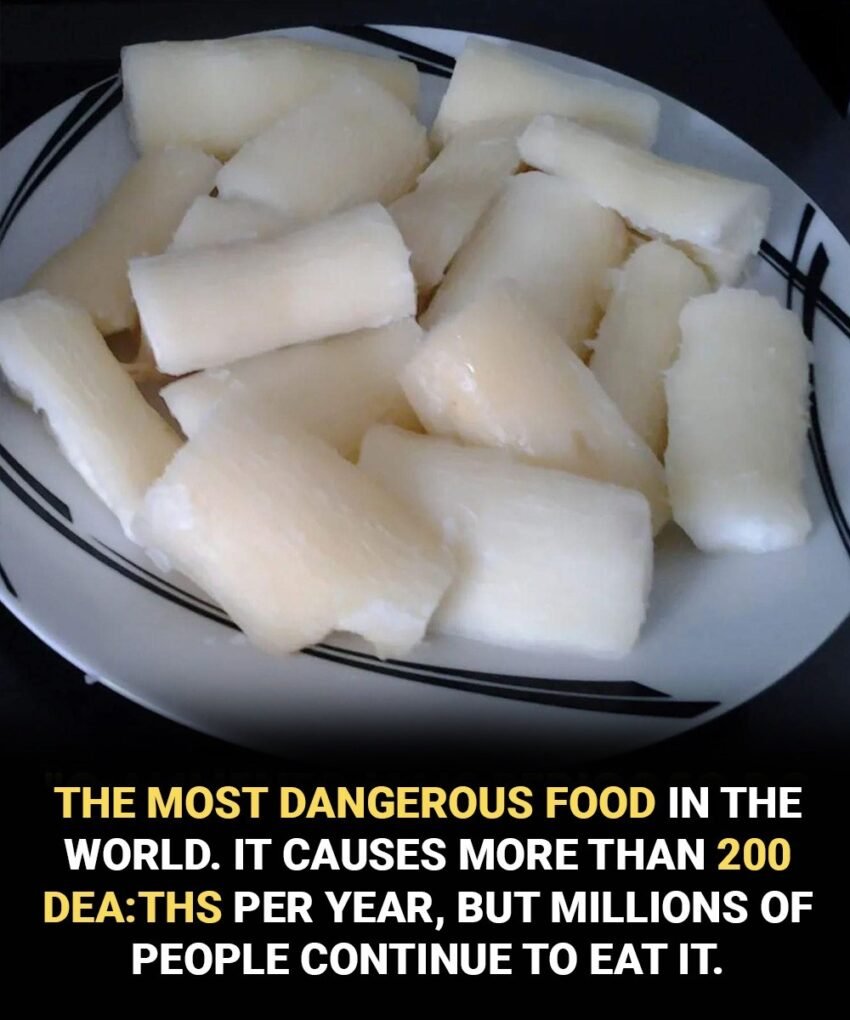
Cassava: The Complete Guide
Cassava (also called yuca, manioc, or mandioca) is a starchy tropical root vegetable that’s a dietary staple for over 800 million people worldwide. It’s incredibly drought-resistant and a crucial source of calories in Africa, South America, and Asia.
🌿 What is Cassava?
-
Botanical Name: Manihot esculenta
-
Part Used: The tuberous root (and sometimes the leaves).
-
Key Fact: It’s naturally toxic when raw due to cyanogenic glycosides (compounds that release cyanide). It must always be cooked properly before consumption.
-
Two Main Varieties:
-
Sweet Cassava: Lower toxin levels, can be cooked like a vegetable after simple peeling and boiling.
-
Bitter Cassava: Higher toxin levels, requires extensive processing (soaking, fermenting, pressing) to make safe flours and starches like tapioca.
-
🍽️ Culinary Uses & Popular Dishes
Cassava is versatile, with a neutral to slightly nutty flavor and a texture that becomes soft, starchy, and slightly chewy when cooked.
1. Boiled or Steamed
The simplest preparation. Peeled, cut, and boiled until tender. Served as a side dish, often with stews or sauces.
-
Example: In the Caribbean, boiled yuca is served with mojo criollo (a garlic-citrus sauce).
2. Fried
-
Yuca Fries: Thicker and denser than potato fries, with a creamy interior. A popular Latin American side.
-
Cassava Chips: Thinly sliced and fried into crispy chips.
3. Mashed
Boiled and mashed with butter, garlic, and milk to make a creamy alternative to mashed potatoes.
4. In Stews and Soups
Adds body and starch to soups. It holds its shape well during long cooking.
-
Example: Sancocho (Latin American hearty stew), Nigerian pepper soup.
5. As Flour & Starch
-
Cassava Flour: Made from the whole dried root. It’s gluten-free and used for baking, thickening, and making flatbreads (e.g., Brazilian farofa, a toasted topping).
-
Tapioca: The purified starch extracted from the root. Used to make:
-
Pearls for bubble tea and puddings.
-
Starch for gluten-free baking (gives chewiness) and as a thickener (clear gels).
-
6. Fermented & Processed
-
Gari: A West African staple. Fermented, grated, and roasted cassava granules. Eaten like couscous.
-
Fufu/Pounded Yam: Boiled cassava (often mixed with other starchy vegetables) is pounded into a smooth, stretchy dough eaten with soups.
-
Cassava Bread (Casabe): A thin, crispy flatbread made from cassava flour, traditional in the Caribbean.
⚠️ Safety First: How to Prepare Cassava Correctly
NEVER eat cassava raw.
-
Peel Thoroughly: The highest concentration of toxins is just under the skin.
-
Soak (Optional but helpful): Soak peeled pieces in water for a few hours to leach out more compounds.
-
Cook Completely: Boil, roast, or fry until very tender. Discard the cooking water—do not use it for soups.
-
Bitter vs. Sweet: When in doubt, treat all cassava as the “bitter” variety and cook it thoroughly.
📊 Nutrition Profile (Per 100g boiled)
-
High in: Complex Carbohydrates (energy), Vitamin C, Manganese, and some Folate.
-
Low in: Protein and Fat.
-
Note: It is primarily a calorie-dense energy source. The leaves (when cooked) are a good source of protein and vitamins.
🛒 How to Select & Store
-
Select: Look for firm, heavy roots with smooth, unblemished skin. Avoid any with soft spots, mold, or excessive fibrousness.
-
Store: Whole, unpeeled cassava can be kept at room temperature for a few days or in the refrigerator’s crisper for up to a week. It does not last as long as potatoes. Peeled and cut pieces should be submerged in water and used within a day.
-
Frozen: You can find pre-peeled, cut, and frozen cassava in many international grocery stores—a very convenient option.
Cassava is a fascinating, resilient crop that fuels nations. When prepared safely, it offers a delicious, hearty, and gluten-free base for countless dishes around the globe.