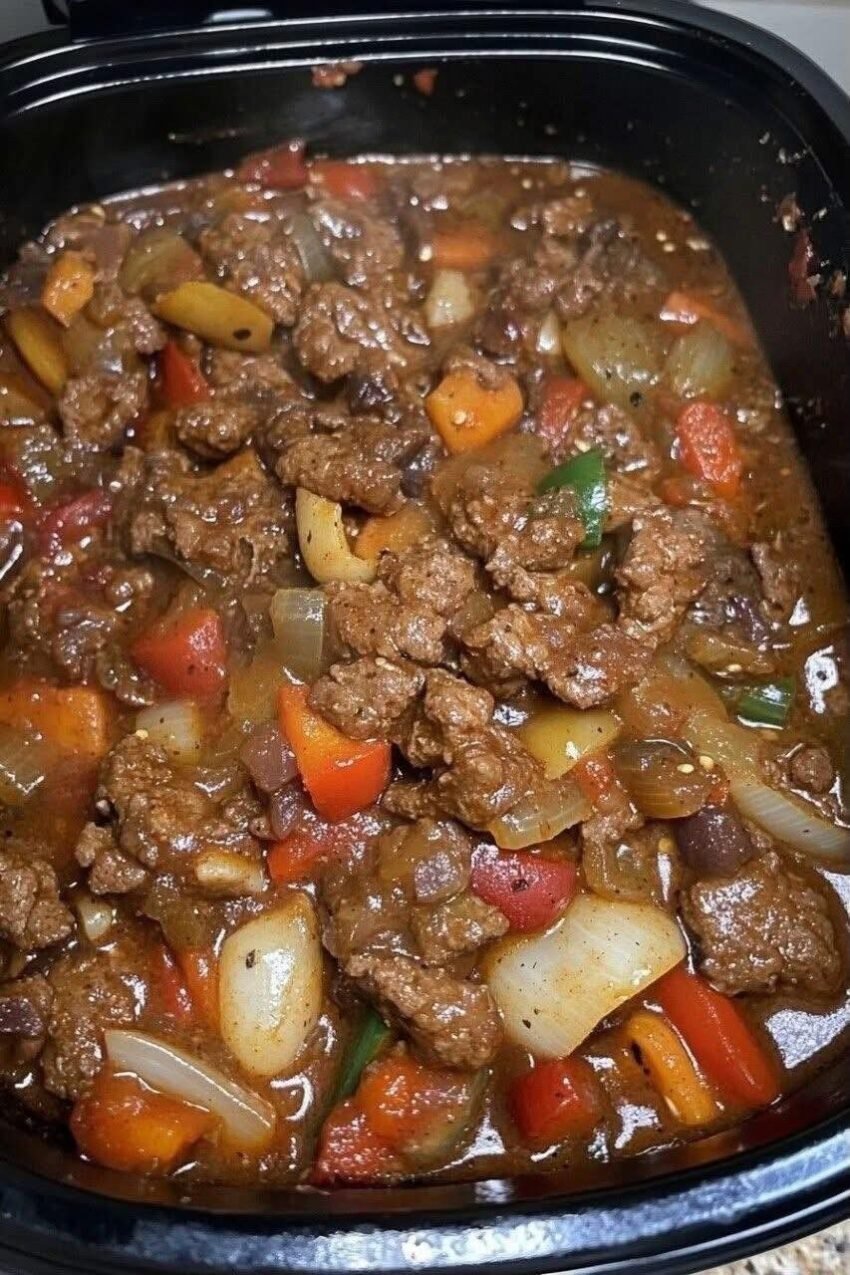
The Crockpot (Slow Cooker): Your Ultimate Guide to Hands-Off Cooking
A Crockpot (a popular brand name for a slow cooker) is a countertop electrical appliance designed for long, slow cooking at low temperatures. It’s legendary for transforming inexpensive cuts of meat into tender meals and making “dump-and-go” recipes a reality.
🔥 How It Works & Key Features
-
Low, Even Heat: Cooks food slowly over 4-12 hours, breaking down collagen in meats and melding flavors.
-
Two Settings:
-
Low: ~190°F (88°C) – Best for all-day cooking (7-8 hours).
-
High: ~300°F (149°C) – Cooks faster (3-4 hours), similar to a low oven.
-
-
The Insert: Usually ceramic or porcelain, which holds heat well. Some are stovetop-safe for browning.
-
The Lid: Tight-fitting, clear glass lid traps moisture and creates a self-basting environment.
✅ Why Use One? The Major Benefits
-
Convenience & Time-Saving: Prep in the morning, come home to a ready dinner.
-
Tenderizes Tough Cuts: Turns chuck roast, pork shoulder, and chicken thighs into fall-apart perfection.
-
Energy Efficient: Uses less electricity than a standard oven.
-
Keeps Kitchen Cool: No oven heat.
-
Great for Batch Cooking: Makes large quantities of soups, stews, and sauces for freezing.
🍖 Classic Crockpot Dishes (The Hall of Fame)
-
Pulled Pork or Chicken: BBQ, carnitas, or Italian-style for sandwiches.
-
Hearty Soups & Stews: Beef stew, chicken noodle soup, chili, lentil soup.
-
Pot Roast: With potatoes, carrots, and onions in a rich gravy.
-
Curries & Braises: Like butter chicken or beef bourguignon.
-
Dips & Appetizers: Spinach-artichoke dip, queso, meatballs in sauce.
-
Breakfast & Desserts: Oatmeal, bread pudding, poached fruits, and even some cakes!
📝 Essential Tips for Success
-
Don’t Overfill: Fill between ½ and ⅔ full for even cooking. Too full risks undercooking; too empty can cause overcooking.
-
Layer Smartly: Place hard, dense vegetables (potatoes, carrots) on the bottom, near the heat source. Place meat on top.
-
Limit Liquid: Liquids don’t evaporate. Use about ⅓ less broth than you would for stovetop recipes. The food will release its own juices.
-
Brown for Flavor: While optional, browning meat and sautéing onions in a skillet before adding adds a huge depth of flavor.
-
Add Dairy & Delicates at the End: Add milk, cream, sour cream, or tender vegetables (peas, spinach) in the last 30 minutes to prevent curdling or mushiness.
-
Keep the Lid On! Resist peeking. Each lift releases heat and steam, adding 15-20 minutes to cooking time.
-
Adjust Seasonings at the End: Flavors concentrate. Taste and adjust salt, pepper, or acidity (a splash of vinegar or lemon juice) before serving.
⚠️ Critical Safety Notes
-
Thaw Completely: Always thaw meat or poultry in the refrigerator before adding to the slow cooker. Starting with frozen food can keep it in the “danger zone” (40°F-140°F) for too long.
-
Preheat: If your model has a “preheat” function or you’re cooking on High, let it warm up with the liquid in it before adding food.
-
Check Temperature: Ensure food reaches a safe internal temperature (165°F for poultry, 145°F for pork, etc.).
🆕 Modern Slow Cooker Features
Newer models may include:
-
Programmable Timers: Automatically switch to “Warm” after cooking.
-
“Warm” Setting: Maintains food at a safe serving temperature (165°F+) without overcooking.
-
Locking Lids & Carrying Cases: For transport to potlucks.
-
Multi-Cookers: Combine slow cooking with pressure cooking, sautéing, and steaming (like an Instant Pot).
Bottom Line: The Crockpot is a versatile tool for effortless, flavorful meals. Mastering a few basic principles unlocks its full potential, making it a cornerstone of easy, comforting home cooking.