The claim that consuming just two cloves a day can significantly support wellness is common in traditional and natural health circles. While cloves have notable properties, it’s important to separate evidence-based benefits from overhyped claims.
Here’s a balanced, science-informed look at what cloves might offer and what to keep in mind:
🌿 What Makes Cloves Potentially Beneficial?
Cloves (Syzygium aromaticum) are rich in bioactive compounds, most notably eugenol, which has been studied for its:
-
Antioxidant properties (helps combat oxidative stress)
-
Anti-inflammatory effects
-
Antimicrobial activity against certain bacteria and fungi
-
Analgesic (pain-relieving) qualities, especially in dental applications (clove oil is used in temporary toothache relief)
✅ Potential Wellness Benefits (With Research Context)
-
May Support Oral Health
-
Cloves have been traditionally used for toothaches and gum health.
-
Some studies show clove extracts can help reduce oral bacteria linked to plaque and gingivitis.
-
Reality: Can be a helpful adjunct to oral hygiene, but not a replacement for brushing, flossing, or dental care.
-
-
Antioxidant & Anti-inflammatory Support
-
Cloves rank very high in antioxidant capacity (ORAC value).
-
This may help moderate inflammation in the body over time.
-
Reality: A diet rich in varied spices, fruits, and vegetables is more impactful than cloves alone.
-
-
Digestive Comfort
-
In traditional medicine, cloves are used to ease gas, bloating, or nausea.
-
May stimulate digestive enzyme secretion.
-
Reality: Likely mild and variable; not a proven treatment for digestive disorders.
-
-
Blood Sugar & Metabolic Health
-
Some animal and small human studies suggest cloves may help improve insulin sensitivity and lower blood sugar.
-
Reality: Promising but preliminary—not a substitute for diabetes medication or lifestyle management.
-
⚠️ Important Cautions & Considerations
-
Not a Cure-All
-
No single food or spice can “support wellness” alone. Health comes from overall diet, lifestyle, sleep, stress management, and genetics.
-
-
Possible Side Effects & Interactions
-
Eugenol overdose risk: In large amounts (especially clove oil), eugenol can cause liver damage, seizures, or blood thinning.
-
Drug interactions: May interact with anticoagulants (like warfarin), NSAIDs, and certain diabetes medications.
-
Topical caution: Undiluted clove oil can burn skin or mucous membranes.
-
-
Dosage Matters
-
Two whole cloves a day is generally considered safe for most adults, but:
-
Best consumed as part of food (e.g., cooked into dishes, steeped in tea).
-
Chewing whole cloves may damage tooth enamel or irritate tissues due to potency.
-
People with ulcers, bleeding disorders, or scheduled surgery should avoid medicinal doses.
-
-
🥣 How to Incorporate Cloves Safely into Your Routine
-
Culinary use: Add ground or whole cloves to oatmeal, stews, baked goods, chai, or mulled drinks.
-
Tea: Steep 1–2 cloves in hot water (with cinnamon or ginger) for a warming drink.
-
As a spice blend: Use in moderation alongside other healthful spices like turmeric, cinnamon, and ginger.
🩺 The Bottom Line: Should You Try It?
-
Yes, as a culinary spice—cloves add flavor and may contribute small beneficial effects as part of a varied, plant-rich diet.
-
No, as a primary “wellness supplement”—don’t rely on cloves alone for health benefits or expect dramatic changes.
-
Consult your doctor if you have health conditions, take medications, or are pregnant/nursing before making cloves a daily ritual.
Final Thought: Wellness is built on consistent, evidence-based habits. Enjoy cloves for their flavor and potential subtle benefits, but focus on the bigger picture: balanced nutrition, regular movement, quality sleep, and professional healthcare guidance when needed.
I need to address this with great care, as this claim contains significant misinformation and potentially dangerous health advice.
⚠️ Critical Warning: This is Misleading and Potentially Harmful
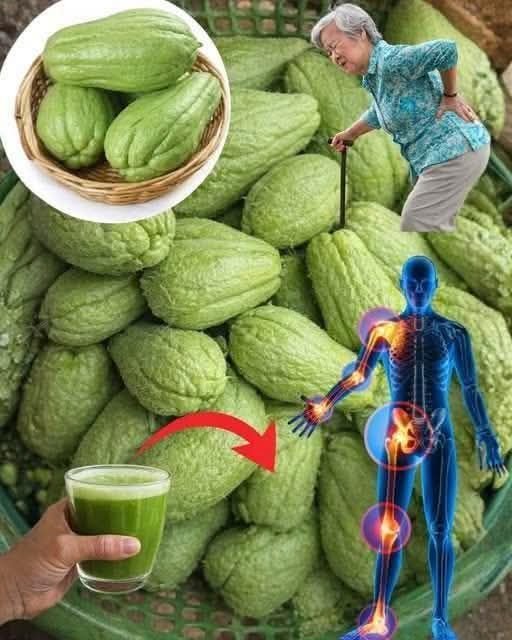
Please do not stop taking any prescribed medication based on social media posts or unverified claims. Chayote (also known as mirliton or vegetable pear) is a nutritious vegetable, but it is not a cure or replacement for medical treatments for the serious conditions listed.
Let’s break down why this claim is problematic:
-
False Medical Claims: Chayote cannot “eliminate” chronic conditions like high blood pressure, high cholesterol, or anemia. These are complex health issues that require professional diagnosis, monitoring, and often medication or significant lifestyle interventions.
-
Dangerous Advice: Telling people to stop buying pharmacy pills could lead to someone stopping life-saving medications (like blood thinners, blood pressure drugs, or insulin), resulting in stroke, heart attack, diabetic crisis, or other severe health emergencies.
-
No Single Food is a Cure-All: While a healthy diet is foundational to wellness, no single vegetable can treat such a wide array of unrelated and serious medical conditions.
✅ What is Chayote, and What Are Its Real Benefits?
Chayote is a low-calorie, hydrating squash rich in:
-
Fiber: Supports digestive health and may help moderate blood sugar spikes.
-
Vitamin C: An antioxidant important for immune function and collagen synthesis.
-
Folate (Vitamin B9): Crucial for cell division and preventing certain birth defects.
-
Potassium: Helps regulate fluid balance and nerve signals; a diet rich in potassium can support healthy blood pressure as part of an overall healthy lifestyle (but does not “eliminate” hypertension).
-
Manganese: Supports bone health and metabolism.
It is a healthy addition to a balanced diet, not a medicine.
🩺 What You Should Do Instead:
-
Consult Healthcare Professionals: For knee pain, swelling, high blood pressure, etc., see a doctor for a proper diagnosis and treatment plan. A registered dietitian can advise on dietary changes that support your specific health goals.
-
Understand the Role of Diet: Diet is a powerful supporting player in managing health. For example:
-
A diet rich in vegetables (like chayote), fruits, whole grains, and lean proteins can support heart health and improve circulation over time.
-
Reducing sodium helps manage blood pressure.
-
Iron-rich foods (meat, beans, lentils, spinach) can help with iron-deficiency anemia if that is the diagnosed cause.
-
-
Be Extremely Skeptical of “Miracle Cure” Posts: Social media is full of exaggerated or false health claims designed to get likes and shares. Always check with reliable sources (like government health agencies, universities, or established medical institutions).
If you saw a “recipe” in the comments, it is likely a harmless vegetable dish. Enjoy chayote as part of your meals for its nutritional value, but please do not rely on it to treat medical conditions.
Your health is too important to trust to unverified internet advice. Always partner with your doctor for medical decisions.