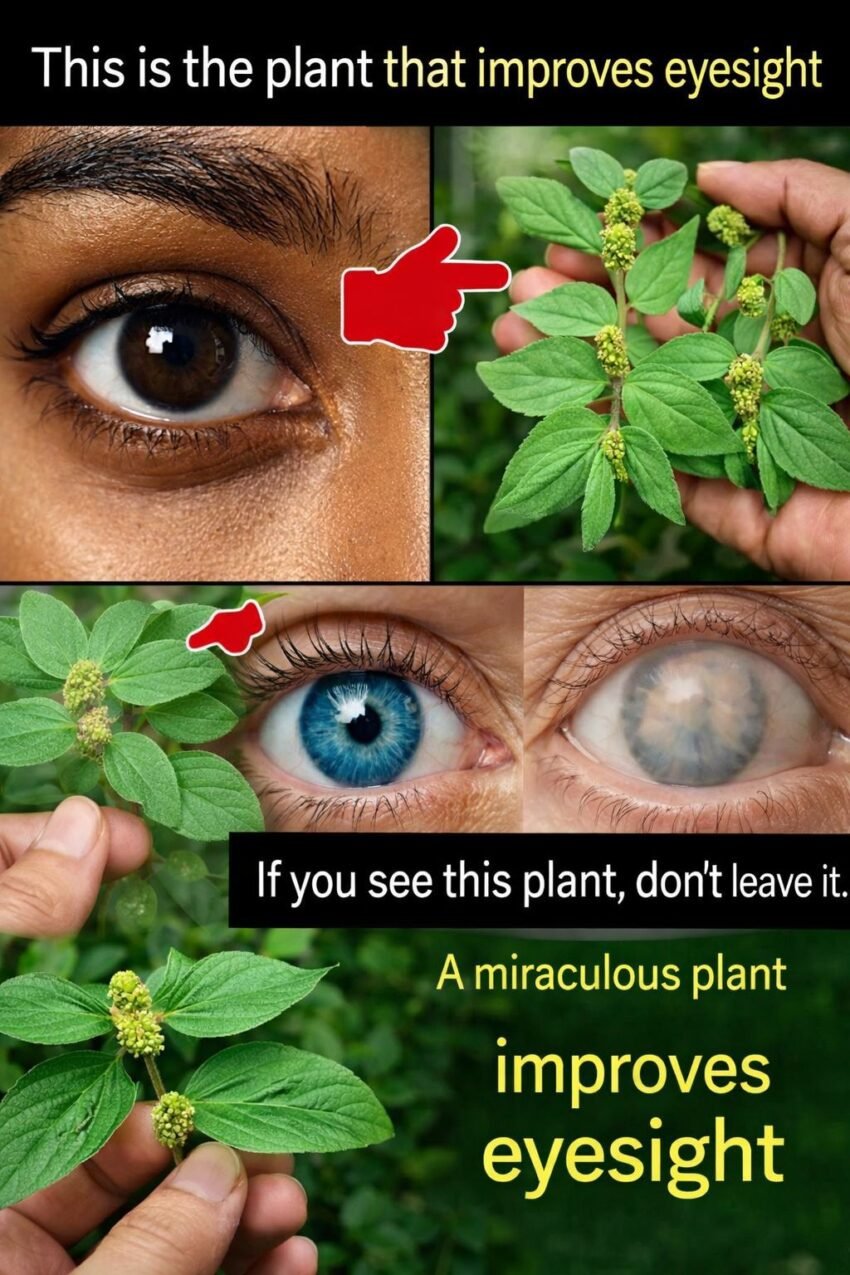
A fascinating and ecologically vital plant! Let’s explore Big-Leaf Milkweed — a native North American perennial with more than just monarch appeal.
🌱 Botanical Profile
-
Scientific name: Asclepias syriaca (Common Milkweed) — sometimes “big-leaf” refers to larger-leaved species like A. speciosa or robust forms of A. syriaca
-
Family: Apocynaceae (Dogbane family)
-
Native range: Eastern and central North America
-
Growth: 3–5 feet tall, with broad, oval leaves (4–8 inches long)
🌸 Key Features
-
Leaves: Large, thick, oval-shaped, oppositely arranged, with fine hairs underneath.
-
Flowers: Fragrant, pinkish-purple globe-shaped clusters blooming June–August.
-
Seed Pods: Warty, teardrop-shaped pods that split open to release silky-tailed seeds.
-
Sap: Milky latex (contains cardiac glycosides — toxic if ingested in large amounts).
🦋 Ecological Superpower
-
Monarch Butterfly host plant: Only milkweeds provide the necessary toxins that make monarch caterpillars distasteful to predators.
-
Pollinator magnet: Supports bees, beetles, hummingbirds, and other butterflies.
-
Specialized pollination system: Pollen is packaged in pollinia (waxy sacs) that attach to insect legs.
🌿 Traditional & Modern Uses
-
Fiber: Stems contain tough fibers used by Indigenous peoples for cordage, textiles.
-
Medicinal: Historically used cautiously for asthma, warts, and as a topical remedy (toxicity requires expert knowledge).
-
Edibility: Young shoots, leaves (boiled to remove bitterness), and flower buds have been eaten as survival food. Caution: Proper identification and preparation essential.
-
Latex: Has been studied as a source of natural rubber and a potential treatment for warts.
🌻 Growing Big-Leaf Milkweed
-
Sun: Full sun (6+ hours daily)
-
Soil: Tolerates poor, dry, sandy, or clay soils — very drought-resistant once established
-
Propagation: By seed (cold stratification helps) or root cuttings
-
Caution: Can spread vigorously via rhizomes — give it space in a naturalized garden
⚠️ Important Notes
-
Toxic to livestock in large quantities.
-
Not suitable for small formal gardens unless contained — it’s a vigorous spreader.
-
Never use pesticides on milkweed — you’ll harm the very butterflies you’re trying to support.
📜 Conservation & Culture
Once considered a noxious weed, now celebrated as a keystone species for pollinators. Planting milkweed is a direct action to support monarch migration, which has declined dramatically due to habitat loss.
Want More?
Would you like:
-
A comparison of different milkweed species?
-
Instructions on harvesting and planting milkweed seeds?
-
How to create a monarch waystation in your garden?
-
The story behind its genus name, Asclepias (the Greek god of healing)?
Let me know — every milkweed planted is a step toward stronger ecosystems. 🌎✨