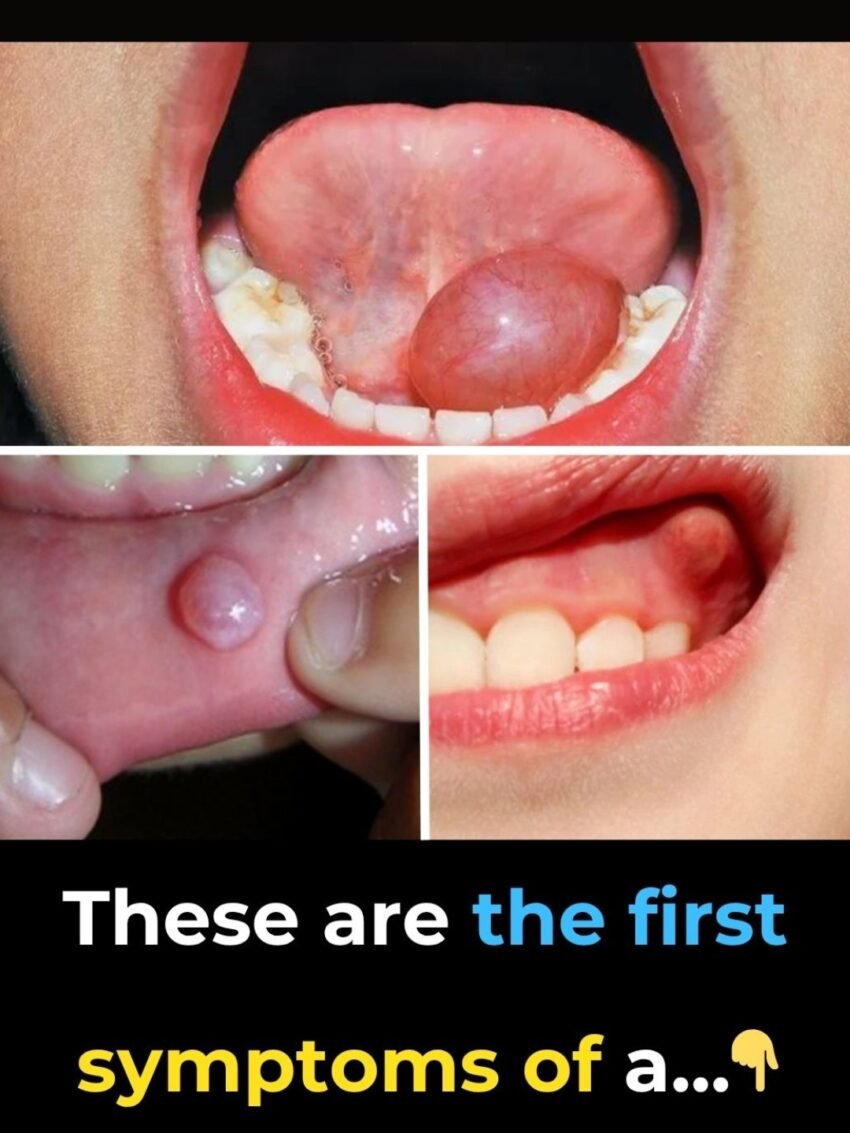
Early Warning Signs of Oral Cancer You Should Never Ignore
Oral cancer can develop without obvious symptoms in its earliest stages, which is why awareness is crucial. Here are 10 warning signs that warrant professional evaluation:
1. Persistent Sores or Ulcers
-
Mouth sores that don’t heal within 2-3 weeks
-
Ulcers with a raised, rolled border and depressed center
2. Unexplained Red or White Patches
-
Leukoplakia (white patches that don’t scrape off)
-
Erythroplakia (red patches) – these have higher malignant potential
3. Unusual Lumps or Thickening
-
Lumps, bumps, or thickening of oral tissues
-
Rough or crusty areas inside the mouth
4. Persistent Mouth Pain
-
Unexplained pain or tenderness in any area of the mouth
-
Pain that doesn’t resolve with typical treatments
5. Difficulty Chewing or Swallowing
-
Feeling like food is getting stuck
-
Pain or discomfort when chewing
6. Persistent Sore Throat or Hoarseness
-
Voice changes lasting more than 2 weeks
-
Constant feeling of something in the throat
7. Numbness or Tingling
-
Loss of feeling in any part of the mouth, tongue, or lips
-
Unexplained pain in ears without infection
8. Jaw Swelling or Stiffness
-
Difficulty moving the jaw or tongue
-
Changes in how teeth fit together when biting
9. Loosening of Teeth
-
Teeth becoming loose without apparent dental cause
-
Dentures suddenly not fitting properly
10. Unexplained Bleeding
- Bleeding in the mouth without obvious cause
- Blood-tinged saliva
Risk Factors to Consider
-
Tobacco use (smoking or chewing)
-
Heavy alcohol consumption
-
HPV infection (particularly HPV-16)
-
Excessive sun exposure (for lip cancer)
-
Poor nutrition
-
Family history of cancer
-
Age (most common over 40)
What to Do If You Notice Symptoms
-
Don’t panic – many oral lesions are benign
-
Document the symptom: when it started, any changes
-
Schedule an appointment with a dentist or doctor within 2 weeks if symptoms persist
-
Request an oral cancer screening during regular dental checkups
-
Follow up as recommended by your healthcare provider
Early detection significantly improves oral cancer survival rates. Most dentists perform basic oral cancer screenings during routine examinations. If you have persistent symptoms beyond 2-3 weeks, seek professional evaluation—even if you have no obvious risk factors.