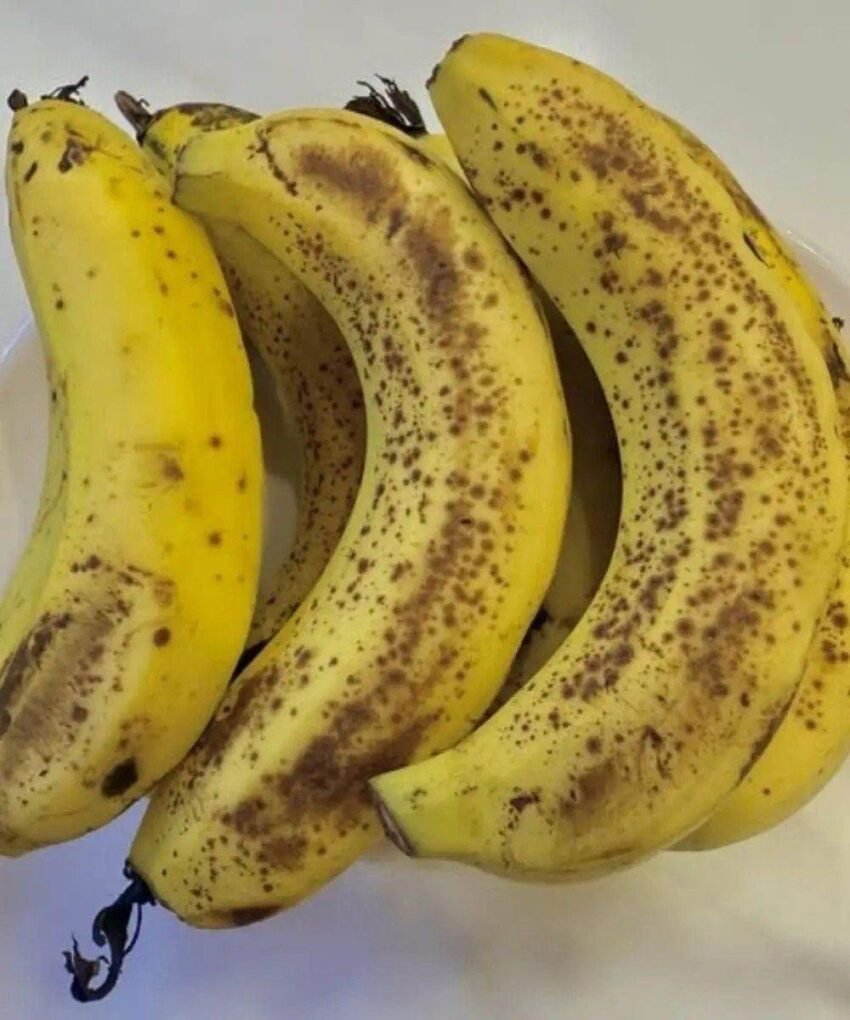
This is a common topic with mixed opinions online, but here’s a balanced, science-backed overview of what doctors and nutrition experts generally say about eating bananas at night.
Potential Benefits
-
May Promote Sleep
-
Bananas contain magnesium and potassium, which are natural muscle relaxants and may help reduce nighttime leg cramps.
-
They also have tryptophan, an amino acid that the body converts into serotonin and melatonin — hormones that regulate sleep.
-
-
Stabilize Blood Sugar Before Bed
-
The fiber in bananas (especially if slightly underripe) can help moderate blood sugar levels, potentially preventing a nighttime energy crash.
-
-
Soothes Digestion for Some
-
For individuals with acid reflux, bananas are relatively low in acid and may help coat the esophageal lining, though this varies by person.
-
Potential Drawbacks
-
May Cause Digestive Discomfort for Some
-
Bananas are high in resistant starch (especially when green), which can be harder to digest for people with sensitive stomachs, possibly causing bloating or gas if eaten right before lying down.
-
-
High in Natural Sugars
-
A very ripe banana has a higher glycemic index, which could cause a quick rise in blood sugar. For most people this isn’t an issue, but those with diabetes or insulin resistance should be mindful of portion and timing.
-
-
Risk of Nighttime Mucus Sensation
-
Some people (especially those prone to sinus issues or allergies) report feeling increased mucus or phlegm after eating bananas, which could disrupt sleep. However, scientific evidence for this is limited and anecdotal.
-
Doctors’ General Advice
-
Moderation is key: One small to medium banana is unlikely to cause issues for most people.
-
Timing matters: Eat it at least 1 hour before bed to allow for initial digestion.
-
Listen to your body: If you notice bloating, reflux, or restless sleep after eating a banana at night, consider having it earlier in the day instead.
-
Consider your health conditions: People with diabetes, GERD, or kidney issues (affecting potassium processing) should consult their doctor for personalized advice.
Bottom Line
For most healthy individuals, eating a banana at night is safe and may even support better sleep due to its nutrients. However, individual digestive responses vary. It’s not a “dangerous” habit unless it causes personal discomfort or contradicts a specific medical condition.
If you enjoy a banana before bed and sleep well, there’s no need to stop based on generalized warnings. If you have concerns, discuss them with a healthcare provider or registered dietitian.