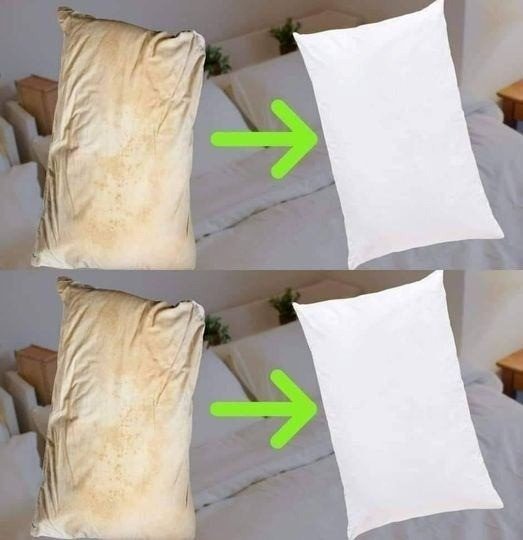
Here’s a comprehensive guide to cleaning dirty bed pillows, restoring whiteness, and ensuring they smell sweet. Always check the care label first (if it says “dry clean only,” follow that instruction). For most synthetic, down, and feather pillows, the following methods work well.
1. Preparation & Spot Treatment
-
Remove pillow protectors/cases and wash those separately.
-
Check for stains: Pre-treat yellowing (often from sweat and oils) or other stains. Create a paste with baking soda, water, and a bit of liquid laundry detergent. Gently rub it into stained areas. For mildew, use a diluted white vinegar spray (1 part vinegar to 3 parts water).
-
Freshen & deodorize: Before washing, sprinkle the pillow with baking soda, let it sit for 15-30 minutes, then vacuum it off with an upholstery attachment. This lifts odors and some surface dirt.
2. Machine Washing (Best for most pillows)
-
Wash two pillows at a time to balance the machine. Use a front-loading or top-loading HE washer without an agitator if possible. An agitator can damage pillows.
-
Detergent: Use a mild, liquid detergent. Avoid fabric softener (it can clump filling and reduce fluffiness).
-
Boosters:
-
For whitening: Add 1/2 cup of borax or oxygen-based bleach (OxiClean) to the drum with the detergent. Do NOT use chlorine bleach (it can damage fibers and cause yellowing).
-
For sweet smell: Add 1/2 cup of white vinegar to the rinse cycle dispenser or fabric softener compartment. It naturally deodorizes and helps rinse out detergent.
-
-
Cycle: Use the gentle or delicate cycle with warm water (hot water can damage some fills).
3. Rinsing & Drying (CRUCIAL STEP)
-
Extra Rinse: Run an additional rinse cycle to ensure all soap and soil are removed. Leftover detergent causes dinginess and attracts dirt.
-
Drying: This is the longest part. 100% thorough drying is essential to prevent mold and mildew.
-
Use low heat and include dryer balls or clean tennis balls (2-3) in a knotted sock to break up clumps and restore fluff.
-
Dry until completely dry—this can take 2-3 cycles or several hours. Check the very center for any dampness or clumping.
-
Air dry finish: If possible, finish drying in direct sunlight. UV light is a natural whitener, disinfectant, and odor eliminator.
-
4. Hand Washing (For delicate or non-machine washable pillows)
-
Fill a bathtub with lukewarm water and mild detergent.
-
Submerge the pillow, press gently to agitate, and soak for 1-2 hours.
-
Drain, refill, and rinse repeatedly until the water runs clear.
-
Press—don’t wring—out water. Follow drying instructions above.
5. Maintenance for Lasting Freshness
-
Use pillow protectors (zippered, waterproof) under pillowcases. Wash these monthly.
-
Wash pillowcases weekly in hot water.
-
Air pillows out regularly by pulling back bedding for a few hours.
-
Refresh between washes by spraying lightly with a mix of water and a few drops of essential oil (e.g., lavender), then fluff-drying on low for 20 minutes.
Pillow-Specific Tips:
-
Down/Feather: A specialty down detergent is ideal. Dry with tennis balls—they are essential to prevent clumping.
-
Memory Foam/Latex: Do NOT machine wash or soak. Spot clean only. Remove the cover to wash if it’s separate. The foam core can only be air-dried, never put in a dryer.
-
Synthetic (Polyester): Very forgiving and easiest to wash. Follow the general machine-wash method.
What NOT to Do:
-
Don’t use high heat in the dryer (can damage fibers and cause filling to clump or melt).
-
Don’t skip the extra rinse.
-
Don’t put pillows away even slightly damp.
-
Don’t use chlorine bleach.
Following these steps every 3-6 months will extend your pillows’ life, keep them hygienic, white, and smelling beautifully fresh. When pillows lose support or cannot be fully cleaned, it’s time for replacement (typically every 1-2 years).