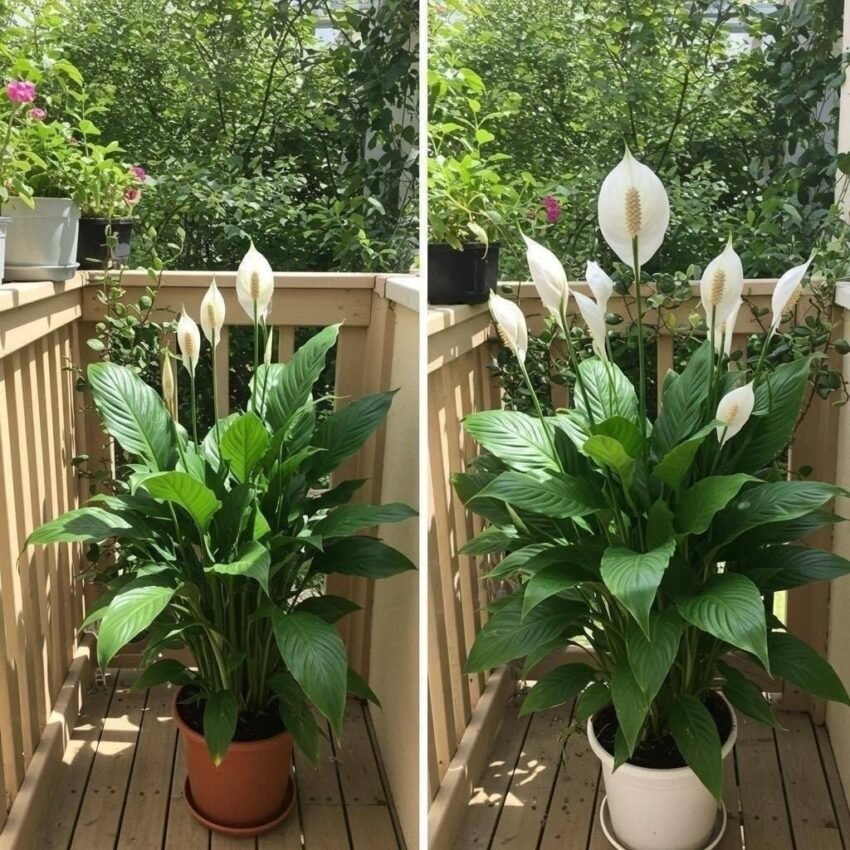
The common version of this tip suggests that placing a metal tablespoon into the soil of a potted plant will help it grow, often with a vague explanation about “metal ions” or “conductivity.” There is no scientific evidence to support this. In fact, it could be slightly harmful.
Here’s what actually happens:
-
No Benefit for the Plant: Plants absorb nutrients in specific, soluble ionic forms (like iron as Fe²⁺ or Fe³⁺). A solid stainless steel spoon does not release these in any meaningful way. The trace amounts it might release over years are negligible compared to what’s already in soil or fertilizer.
-
Potential for Harm:
-
Rust: If the spoon is not stainless steel, it will rust. Rust (iron oxide) is not a usable form of iron for most plants and can alter soil chemistry.
-
Injury: You or someone else could accidentally knock the plant over or cut yourself on the handle.
-
Pests & Mold: It creates a damp, hidden place for pests like fungus gnats and can promote mold growth on the part of the spoon in the soil.
-
Root Damage: Inserting it can damage roots.
-
What Actually Helps Your Plants Thrive:
Instead of gimmicks, focus on proven plant care fundamentals:
-
Proper Watering: Water only when the top inch or two of soil is dry. Overwatering is the #1 killer of houseplants.
-
Good Light: Match the plant’s light needs (bright indirect, direct, low light) to its location.
-
Well-Draining Potting Mix: Use the right soil type for your plant (e.g., succulent mix, aroid mix).
-
Balanced Fertilizer: Use a diluted, balanced liquid fertilizer during the active growing season (spring/summer).
-
Adequate Humidity & Temperature: Group plants together or use a humidifier for tropical plants.
Conclusion: The tablespoon trick is a gardening myth. Remove the spoon and focus on the basics of light, water, and appropriate soil to keep your plants healthy.