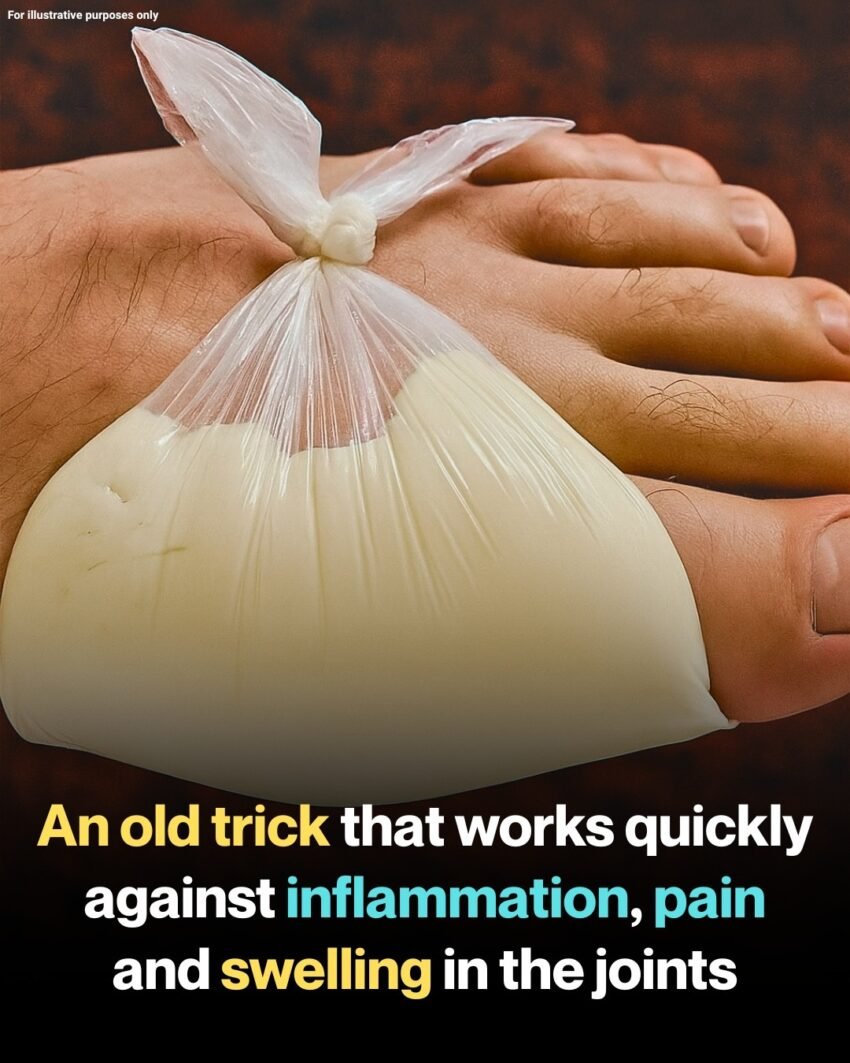
It’s great that people are finding simple, drug-free ways to manage joint pain. Homemade compresses are a classic home remedy with genuine science behind how they can help.
The key is that they work through basic physiotherapy principles—using heat or cold to influence blood flow, inflammation, and nerve signals—not by “curing” the underlying condition.
Here’s a breakdown of common types and why they can be effective:
1. Cold Compress (for acute pain, recent injuries, or flare-ups with swelling)
-
What it is: A bag of ice, frozen peas, or a cold wet towel wrapped in a thin cloth.
-
How it “actually works”: Cold constricts blood vessels, reducing blood flow to the area. This numbs pain, decreases swelling (inflammation), and slows nerve impulses. It’s best for the first 24-72 hours after a new injury or during a gout or arthritis flare-up with noticeable swelling and heat.
2. Heat Compress (for chronic stiffness, muscle spasms, or osteoarthritis ache)
-
What it is: A warm (not hot) wet towel, a heating pad, or a homemade rice sock heated in the microwave.
-
How it “actually works”: Heat dilates blood vessels, increasing blood flow. This relaxes tight muscles, soothes stiffness, and can improve flexibility before activity. It’s ideal for morning stiffness, muscle pain around a joint, or chronic osteoarthritis pain without acute inflammation.
3. Herbal or Ingredient-Based Compresses
These often combine heat/cold with potentially soothing botanicals.
-
Ginger or Turmeric Paste: These have compounds (gingerol, curcumin) with anti-inflammatory properties studied in scientific literature. A warm paste may allow for mild transdermal absorption and provide a warming sensation.
-
Epsom Salt Soak: While the magnesium in Epsom salt is unlikely to be absorbed significantly through the skin, a warm soak itself reduces stiffness and can ease muscle tension around the joint.
-
Cabbage Leaf Compress: An old folk remedy. The leaves contain antioxidants and may have a mild anti-inflammatory effect. The cool, damp leaves also provide a simple, effective cold therapy.
Why It Feels Like It “Actually Works”: The Science
-
Gate Control Theory of Pain: Sensations like temperature or gentle pressure travel on faster nerve pathways than pain signals. Applying a compress can literally “close the gate” in the spinal cord, temporarily blocking some pain signals from reaching the brain.
-
Reduction of Inflammation (Cold): This is a direct, measurable physiological effect.
-
Improved Function (Heat): By easing stiffness, movement becomes less painful, breaking the cycle of pain-inactivity-stiffness.
Important Safety & Effectiveness Tips:
-
Know When to Use Which: Cold for fresh, hot, swollen joints. Heat for deep, stiff, achy joints. Using the wrong one can worsen symptoms.
-
Always Protect Your Skin: Never apply ice or a very hot pack directly to the skin. Use a thin towel as a barrier.
-
Time Limit: Apply for 15-20 minutes at a time, then give your skin a break.
-
It’s Management, Not a Cure: These compresses are fantastic for symptom management but do not treat the underlying cause of joint pain (like rheumatoid arthritis, cartilage degeneration, etc.).
-
See a Doctor If: Pain is severe, follows an injury, is accompanied by redness/deformity/fever, or is persistent and unexplained.
Conclusion: The rediscovery of homemade compresses is wonderful because it empowers people with a safe, inexpensive, and evidence-supported method for managing joint discomfort. Its effectiveness lies in well-understood physiological principles. For best results, combine it with other doctor-recommended strategies like appropriate exercise, weight management, and any prescribed treatments.