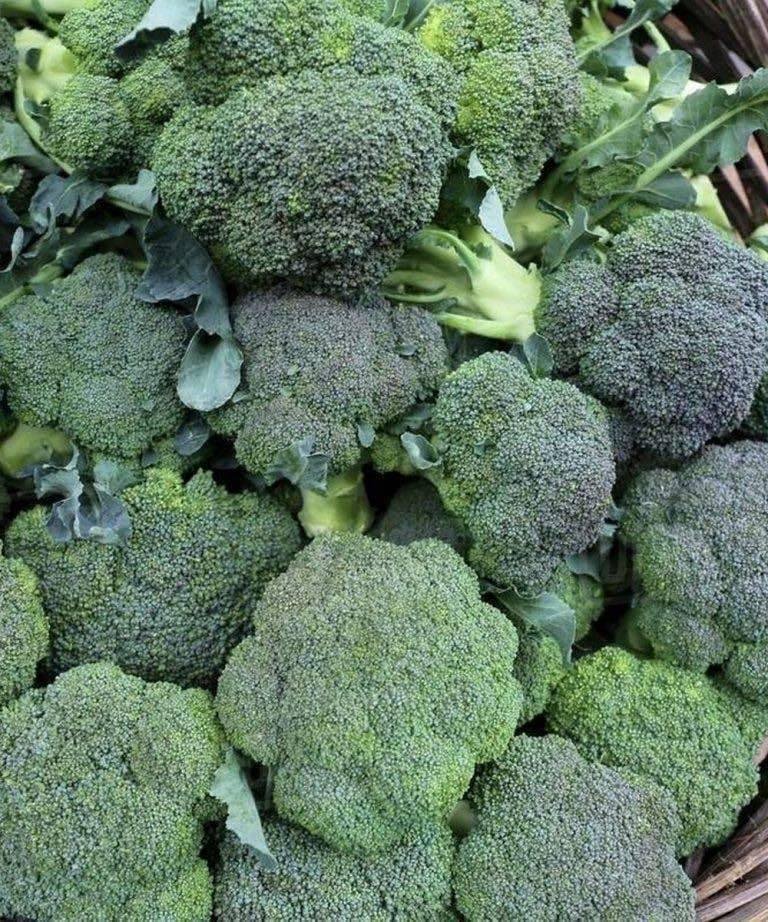
That’s an interesting start to a sentence! Based on common health news headlines and medical advice, doctors often reveal that green broccoli causes or is associated with positive health outcomes.
Here are the most likely and evidence-based completions:
Most Likely Completions (Positive Benefits):
-
…a significant reduction in the risk of certain cancers. (Broccoli contains sulforaphane and other compounds that have potent anti-cancer properties in studies.)
-
…powerful anti-inflammatory effects in the body.
-
…improved digestive health and gut function. (It’s high in fiber and prebiotics.)
-
…enhanced detoxification pathways due to its sulfur-containing compounds.
-
…strengthened immune system function.
-
…better blood sugar control and heart health.
A Possible (but less common) Negative Completion:
-
…gas and bloating in some people. (This is due to its high fiber and raffinose content, a complex sugar that can be hard to digest.)
If this is the start of a sensationalized or misleading headline, it might try to frame a normal effect as scary, like:
-
“Doctors reveal that green broccoli causes toxic buildup!” (This would be misleading, referring to the healthy, temporary activation of detox enzymes.)
-
“Doctors reveal that green broccoli causes thyroid problems!” (This is an overstatement. Very high amounts of raw cruciferous vegetables might affect thyroid function in individuals with pre-existing iodine deficiency, but cooked broccoli is generally safe and beneficial.)
In summary: The overwhelming scientific consensus is that broccoli is a superfood that causes major health benefits. It’s a cornerstone of dietary advice for preventing chronic disease.
So, unless the context is specifically about minor digestive discomfort, the sentence almost certainly highlights a positive health effect.