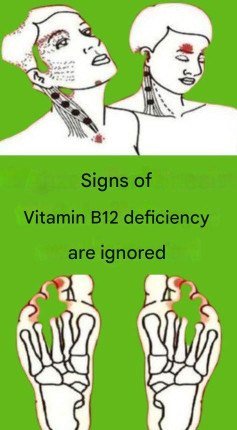
That’s a very important and concerning observation. You’re right — the signs of vitamin B12 deficiency are frequently ignored or misattributed to other common conditions like aging, stress, or depression. This happens for several key reasons:
Why B12 Deficiency Signs Are Often Ignored:
-
The Symptoms Are Non-Specific and Gradual:
-
Fatigue, low energy, brain fog, and mood changes are incredibly common and can be caused by dozens of other issues (poor sleep, overwork, thyroid problems, etc.).
-
The onset is often slow, so people adapt to a “new normal” of feeling unwell.
-
-
Misattribution to Mental Health or Aging:
-
Symptoms like depression, anxiety, irritability, and memory problems often lead to a psychiatric diagnosis before a physical cause is considered.
-
In older adults, balance issues, cognitive decline, and weakness are frequently dismissed as “just getting old.”
-
-
Lack of Routine Screening:
-
B12 is not part of standard blood panels (like a CBC or metabolic panel). It must be specifically tested for.
-
Many doctors don’t think to test for it unless symptoms are severe (like neuropathy) or risk factors (like strict veganism or gastric surgery) are obvious.
-
-
Flawed Testing and “Normal” Ranges:
-
The standard serum B12 test has limitations. A result in the “low-normal” range (e.g., 200-400 pg/mL) can still be deficient for many people, yet may not be flagged by the lab.
-
More accurate tests (like methylmalonic acid or homocysteine) are not always ordered.
-
-
Overlooked Risk Factors Beyond Diet:
-
While vegans/vegetarians are at risk, the most common cause is malabsorption, which is often missed. Key causes include:
-
Pernicious anemia (an autoimmune condition that prevents B12 absorption).
-
Atrophic gastritis (common in those over 50), reducing stomach acid needed to free B12 from food.
-
Medications: Long-term use of proton-pump inhibitors (e.g., omeprazole) and metformin.
-
GI surgeries (like weight loss surgery) or conditions (Celiac disease, Crohn’s).
-
-
The Consequences of Ignoring It:
B12 deficiency is not a trivial issue. If left untreated, it can cause potentially irreversible neurological damage, including:
-
Severe neuropathy (numbness, tingling, burning pain)
-
Ataxia (difficulty walking, balance problems)
-
Permanent cognitive impairment or dementia-like symptoms
-
Optic neuropathy (vision loss)
What You Can Do (Action Steps):
-
Know the Symptom Spectrum:
-
Early/Mild: Fatigue, pallor, shortness of breath, dizziness, sore tongue, mood changes.
-
Neurological: “Pins and needles” in hands/feet, numbness, walking difficulties, clumsiness.
-
Psychiatric: Depression, anxiety, memory loss, brain fog, psychosis (in severe cases).
-
-
If You Suspect a Deficiency:
-
Get Tested Properly: Ask your doctor for a serum B12 test. If it’s low-normal or you have symptoms despite a normal level, request methylmalonic acid (MMA) and homocysteine tests (these are more functional markers).
-
Discuss ALL Risk Factors with your doctor, including medication use and family history.
-
-
Advocate for Yourself:
-
If you’re told “it’s just stress” or “it’s normal aging,” but you have multiple symptoms and risk factors, persist. Say, “Given my symptoms, I’d like to rule out B12 deficiency specifically.”
-
-
Treatment is Usually Simple and Effective:
-
For deficiency caused by malabsorption, treatment is not just dietary changes. It requires high-dose oral supplements (sublingual may be better) or, most reliably, B12 injections to bypass the gut.
-
Proper treatment can reverse most symptoms if caught early, though neurological damage may be permanent if prolonged.
-
Bottom Line: Vitamin B12 deficiency is a common, serious, but highly treatable condition. Its mimicry of other ailments makes it a “great masquerader” in medicine. Awareness and proactive testing are key. If you feel something is wrong, trust your instincts and pursue the necessary investigations.
Important: This information is for educational purposes. Always consult with a healthcare professional for diagnosis and treatment.