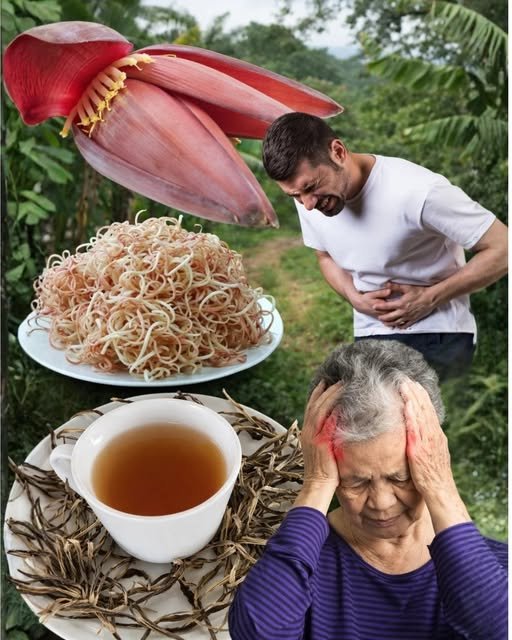
Banana Blossom: Rediscovering a Forgotten Superfood
Often overlooked in Western kitchens, the banana blossom—the large, tear-shaped flower of the banana plant—is making a comeback as a nutritional powerhouse. This unique vegetable, also called banana heart, has been a staple in Southeast Asian and Indian cuisines for centuries and offers remarkable benefits for hormonal balance, digestion, and overall vitality.
Nutritional Profile
Banana blossom is packed with:
-
Essential vitamins (A, C, E, and several B vitamins)
-
Minerals (potassium, magnesium, phosphorus, calcium)
-
Phytoestrogens (plant compounds that can help regulate hormones)
-
Dietary fiber (both soluble and insoluble)
-
Antioxidants (flavonoids, tannins)
-
Plant-based protein
Key Health Benefits
1. Hormonal Balance
-
Contains phytoestrogens that may help regulate estrogen levels in the body
-
Particularly beneficial for women experiencing PMS, perimenopause, or menstrual irregularities
-
May help reduce mood swings and other hormone-related symptoms
2. Digestive Health
-
Excellent source of dietary fiber that promotes regular bowel movements
-
Prebiotic properties that feed beneficial gut bacteria
-
Helps prevent constipation and supports a healthy gut microbiome
-
Traditional medicine uses it to treat stomach ulcers and inflammation
3. Natural Vitality
-
Rich in antioxidants that combat oxidative stress and inflammation
-
Contains magnesium and potassium for energy production and muscle function
-
Iron content helps prevent anemia and boosts energy levels
-
Supports cardiovascular health by helping regulate blood pressure
4. Additional Benefits
-
May help regulate blood sugar levels due to its fiber content
-
Contains compounds that support kidney health and prevent urinary tract infections
-
Some studies suggest anti-depressant properties
-
May support lactation in nursing mothers
Culinary Uses
Banana blossom has a mild, artichoke-like flavor and meaty texture that makes it versatile:
-
Raw: Thinly sliced in salads (after soaking in acidulated water to prevent browning)
-
Cooked: Stir-fried, curried, steamed, or added to soups
-
Plant-based alternative: Its flaky texture makes an excellent fish substitute in vegan “fish” tacos or cakes
-
Traditional dishes: Common in Thai, Vietnamese, Filipino, and Sri Lankan cuisines
Preparation Tips
-
Remove the tough outer bracts to reveal tender inner florets
-
Immediately soak in acidulated water (water with lemon juice or vinegar) to prevent discoloration
-
Remove the inner stamen from each floret as it can be bitter
-
Can be boiled briefly to reduce astringency before using in recipes
Sustainability Note
Using banana blossom helps reduce food waste, as it’s often discarded in banana cultivation. Its cultivation requires no additional land or resources beyond what’s already used for banana production.
Caution
While generally safe, people with latex allergies may react to banana blossom. Those with hormone-sensitive conditions should consult healthcare providers before regularly consuming phytoestrogen-rich foods.
Conclusion
Banana blossom represents a perfect convergence of nutrition, sustainability, and culinary potential. As we continue exploring diverse food sources for health and environmental benefits, this forgotten superfood deserves a place at our tables. Whether you’re seeking hormonal balance, digestive support, or simply a new nutrient-dense ingredient, the banana blossom offers a unique, versatile option that connects us to traditional food wisdom while addressing modern health needs.
Why not explore this intriguing ingredient and discover how this “forgotten” superfood might enhance your health journey?