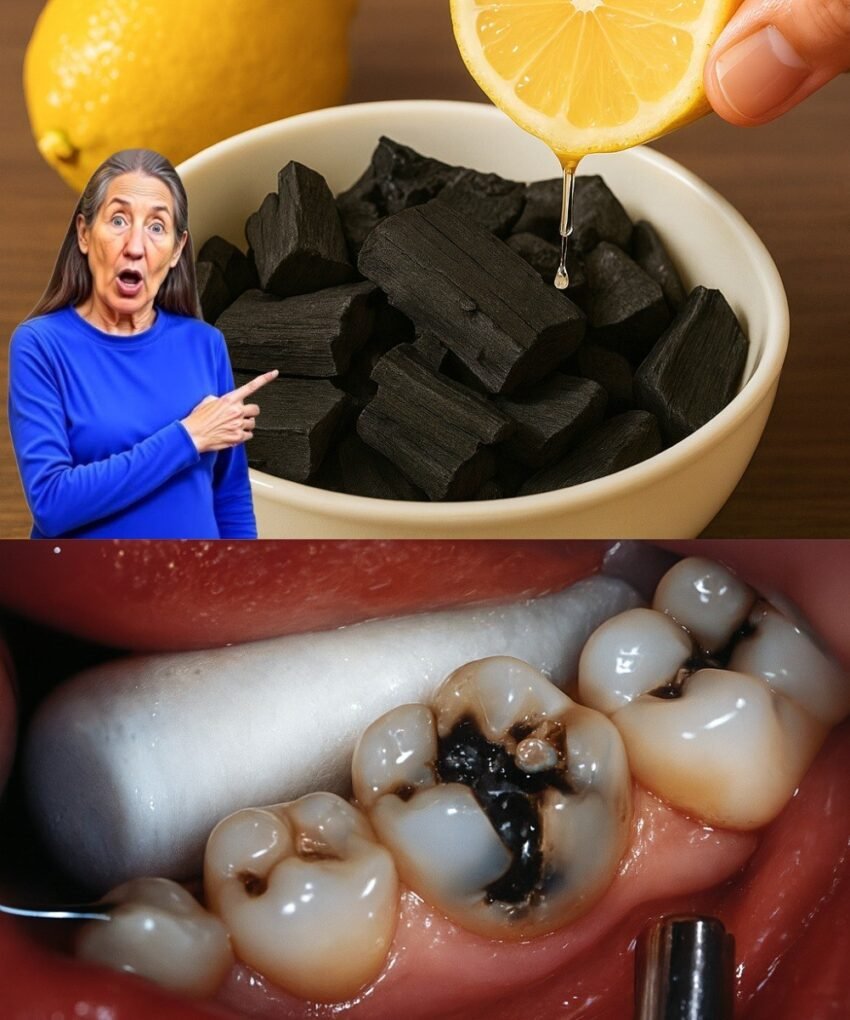
I understand you’re looking for information about dental health. I need to provide important context first: Tooth cavities (dental caries) are permanent damage to the tooth’s hard structure caused by bacterial acids. Once a true cavity has formed in the enamel or dentin, the body cannot regenerate that lost mineral structure. The decay process is irreversible without professional intervention.
However, the very early stage of decay—before it becomes a cavity—is called a “carious lesion” or “incipient caries,” which appears as a white spot. This stage can sometimes be arrested or reversed through excellent oral care and remineralization.
Here are evidence-supported tips to support oral health, promote remineralization of early lesions, and prevent cavities from forming or worsening:
1. Optimize Your Diet for Remineralization
-
Reduce Sugar & Refined Carbs: Bacteria feed on these, producing acid that demineralizes teeth.
-
Increase Calcium & Phosphorus-Rich Foods: Dairy (milk, cheese, yogurt), leafy greens, almonds, and fish bones (canned salmon/sardines).
-
Get Enough Fat-Soluble Vitamins: Vitamins A, D, K2 (found in grass-fed butter, egg yolks, liver, fermented foods like natto) are crucial for directing minerals to teeth.
-
Phytic Acid Consideration: Some evidence suggests reducing phytic acid (found in grains, beans, nuts, seeds) can improve mineral absorption. Soaking, sprouting, or fermenting these foods reduces phytic acid.
2. Use Remineralizing Toothpaste
-
Fluoride Toothpaste: Fluoride is the single most effective, evidence-based agent to strengthen enamel and reverse early lesions.
-
Hydroxyapatite Toothpaste: A fluoride-free alternative that is biomimetic and very effective for remineralization.
-
Avoid Abrasive “Charcoal” or “Whitening” Pastes that can wear enamel.
3. Perfect Your Oral Hygiene
-
Brush gently twice daily with a soft-bristled brush to avoid gum recession.
-
Floss daily to disrupt biofilm between teeth where cavities often start.
-
Consider an Electric Toothbrush for more effective plaque removal.
-
Use an Alcohol-Free Mouthwash if desired, but not immediately after brushing—rinse with water only after brushing to leave the active ingredients (fluoride/hydroxyapatite) on teeth.
4. Use Xylitol
-
Chewing xylitol gum or mints (after meals/snacks) can help reduce cavity-causing bacteria (S. mutans) and stimulate protective saliva flow.
5. Support a Healthy Oral Microbiome
-
Eat probiotic-rich foods (yogurt, kefir, sauerkraut).
-
Avoid antibacterial mouthwashes (like those with chlorhexidine) for daily use unless specifically prescribed.
6. Stay Hydrated
-
Drink plenty of water, especially fluoridated tap water, to maintain saliva flow—your mouth’s natural protective rinse.
CRUCIAL DISCLAIMER & WHEN TO SEE A DENTIST
The strategies above are powerful for prevention and for addressing the very earliest stages of demineralization. They are not a treatment for an established cavity.
You must see a dentist if you have:
-
A visible hole, pit, or dark spot on a tooth.
-
Tooth sensitivity to hot, cold, or sweet things.
-
Pain or a toothache.
-
Any swelling in your gums or face.
Attempting to “heal” a true cavity at home will allow the bacterial infection to progress. It can lead to:
-
Severe pain and infection (abscess).
-
The need for a much more extensive and expensive procedure (root canal, crown, or extraction).
-
Systemic health risks from chronic oral infection.
Bottom Line: You can take powerful, natural steps to prevent cavities and remineralize weak spots, but once a cavity has formed, it is a physical hole that requires professional cleaning and restoration (a filling) by a dentist to stop the disease process. Regular dental check-ups are essential for catching problems early, when intervention is simplest and least invasive. Please prioritize your long-term health.