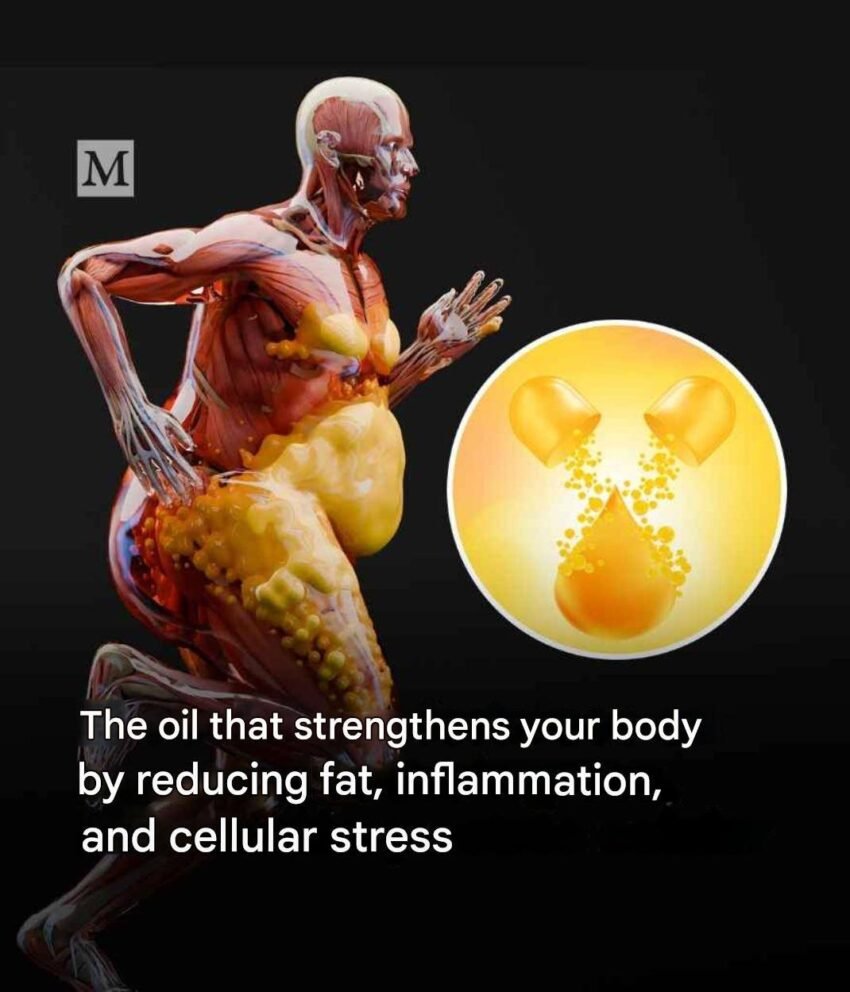
It sounds like you’re describing a type of oil known for its potential health benefits, especially in supporting metabolism, reducing inflammation, and combating oxidative stress.
Several edible oils are associated with these effects, but the one most often linked to all three benefits is extra virgin olive oil, particularly due to its high content of monounsaturated fats and polyphenol antioxidants.
Key oils that match your description:
-
Extra Virgin Olive Oil
-
Reduces fat-related risks: Linked to improved lipid profiles, reduced visceral fat, and better weight management in Mediterranean diets.
-
Anti-inflammatory: Contains oleocanthal, which has ibuprofen-like anti-inflammatory properties.
-
Reduces cellular stress: Rich in polyphenols (e.g., hydroxytyrosol) that combat oxidative stress.
-
-
Fish Oil / Omega-3 oils (from salmon, mackerel, algae)
-
High in EPA and DHA — strongly anti-inflammatory.
-
Helps reduce body fat in some studies, supports heart and brain health.
-
Reduces oxidative stress markers when balanced with antioxidants.
-
-
Avocado Oil
-
Monounsaturated fats support heart health and may aid in reducing abdominal fat.
-
Contains antioxidants like lutein and vitamin E to fight cellular stress.
-
Mild anti-inflammatory effects.
-
-
Coconut Oil (controversial)
-
Some evidence for reducing abdominal fat in certain populations.
-
Medium-chain triglycerides (MCTs) may boost metabolism.
-
But: high in saturated fat, may raise LDL cholesterol in some; anti-inflammatory and antioxidant effects less strong than olive oil unless virgin coconut oil (which has polyphenols).
-
-
Flaxseed Oil
-
Omega-3 (ALA), anti-inflammatory.
-
May support fat metabolism indirectly via improved insulin sensitivity.
-
Lignans provide antioxidant benefits.
-
Which one fits your description best?
If you’re looking for one oil that is widely researched for all three:
-
Extra virgin olive oil is most consistently tied to reducing inflammation, protecting against oxidative stress, and — as part of a Mediterranean diet — helping manage weight and fat distribution.
Important notes:
-
No oil alone “reduces fat” significantly without overall diet and exercise.
-
Quality matters: cold-pressed, unrefined, and fresh oils retain more antioxidants.
-
Always consult a healthcare provider before making significant dietary changes, especially if you have health conditions.