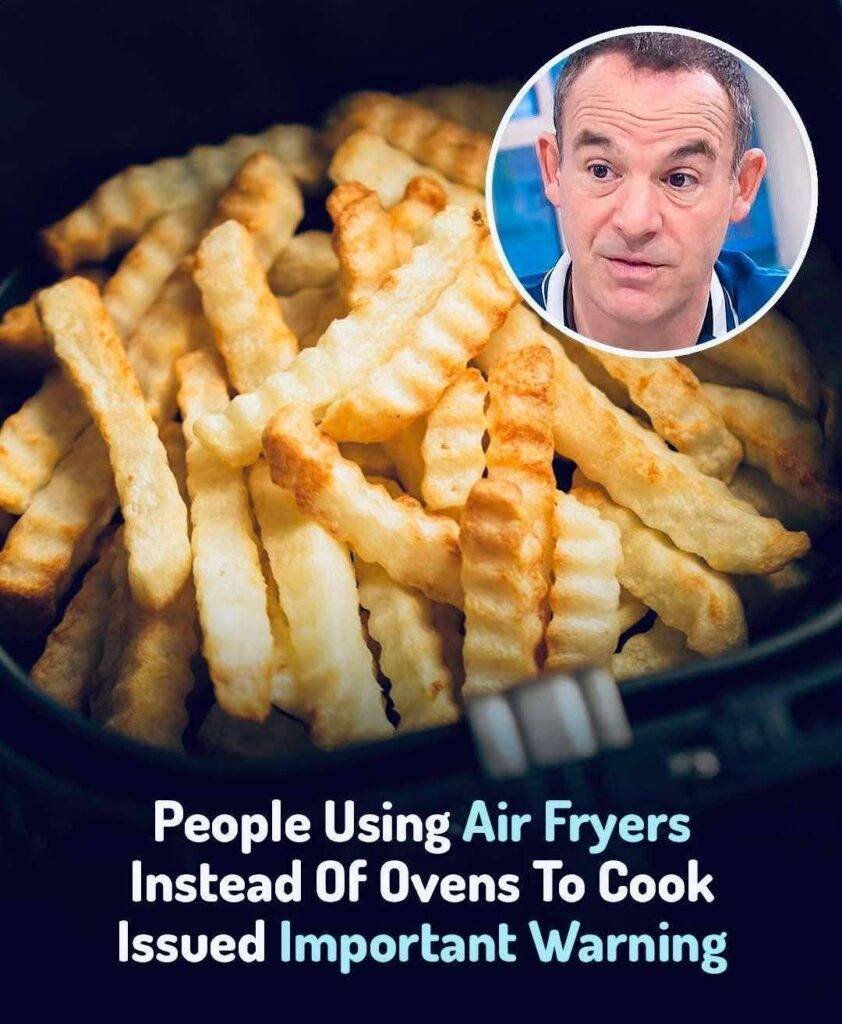
Here is a detailed explanation of the statement “Experts caution against using air fryers instead of ovens” in English.
The core message from experts is that while air fryers are excellent for specific tasks, they are not a complete one-to-one replacement for a traditional oven for all types of cooking and baking. The caution is about understanding their limitations.
Key Reasons for the Caution:
1. Capacity and Cooking Efficiency
-
For Small Batches: Air fryers are essentially powerful, mini convection ovens. They are incredibly efficient for one or two people or for making small sides (fries, nuggets).
-
For Larger Meals: Cooking for a family? An air fryer’s small basket can lead to overcrowding. Food won’t cook evenly (burnt on the outside, raw inside), and cooking in multiple batches defeats the time-saving purpose. A full-sized oven can handle a whole chicken, a large tray of vegetables, or a casserole all at once.
2. Limitations in Cooking Results
-
“Air Frying” vs. True Baking/Roasting: Air fryers excel at creating a crispy, fried-like texture on the outside of foods. However, they are less ideal for dishes that require gentle, even, and consistent heat throughout.
-
Poor Performance For:
-
Most Baking: Cakes, breads, cookies, and pastries often fail in an air fryer. The intense, close-quarters fan can cause uneven rising, premature browning, and dry or cracked surfaces.
-
Juicy or Sealed Foods: Foods that release a lot of steam or are cooked in a sealed environment (like a whole baked potato or a quiche in a deep dish) can become soggy.
-
Delicate Dishes: Recipes like soufflés or cheesecakes that need precise, stable heat are not suited for air fryers.
-
3. Nutritional and Dietary Considerations
-
Risk of Simplistic Cooking: Health experts caution that over-reliance on an air fryer can lead to a diet heavy in reheated processed foods (frozen fries, wings, nuggets). While it uses less oil, the food itself may still be high in sodium, unhealthy fats, and calories.
-
Not a “Health” Magic Bullet: An air fryer is a tool for healthier preparation, not a guarantee of healthy eating. A balanced diet requires a variety of cooking methods to prepare fresh vegetables, whole grains, and lean proteins—many of which are better suited to oven roasting, steaming, or boiling.
4. The Energy Efficiency Misconception
-
For small portions, an air fryer heats up faster and uses less energy than a large oven.
-
However, for large meals or multiple batches, using a full oven once may be more energy-efficient overall than running a smaller appliance multiple times for longer durations.
Practical Conclusion:
Experts advise treating an air fryer as a specialized supplement to your kitchen, not a universal replacement.
-
Use an Air Fryer for: Quick, crispy tasks for 1-2 people—reheating leftovers, cooking frozen appetizers, roasting small vegetables, or making chicken wings.
-
Use an Oven for: Baking, large-family meals, dishes requiring even browning (casseroles, sheet-pan dinners), and any recipe where precise, gentle heat is critical.
The Bottom Line: For a well-equipped kitchen, having both appliances and using each for its strengths is ideal. If you must choose one, base your decision on your primary cooking style: frequent baking and family meals (choose an oven), or quick, small-batch crispy cooking for 1-2 people (choose an air fryer). The caution is ultimately about informed consumer choice and dietary balance.