That single word, “weed,” can refer to two very different things: plants growing where they’re not wanted (weeds in the garden) or the drug cannabis. I’ll cover both meanings to give you a complete picture.
🪴 Meaning 1: Unwanted Plants (Garden Weeds)
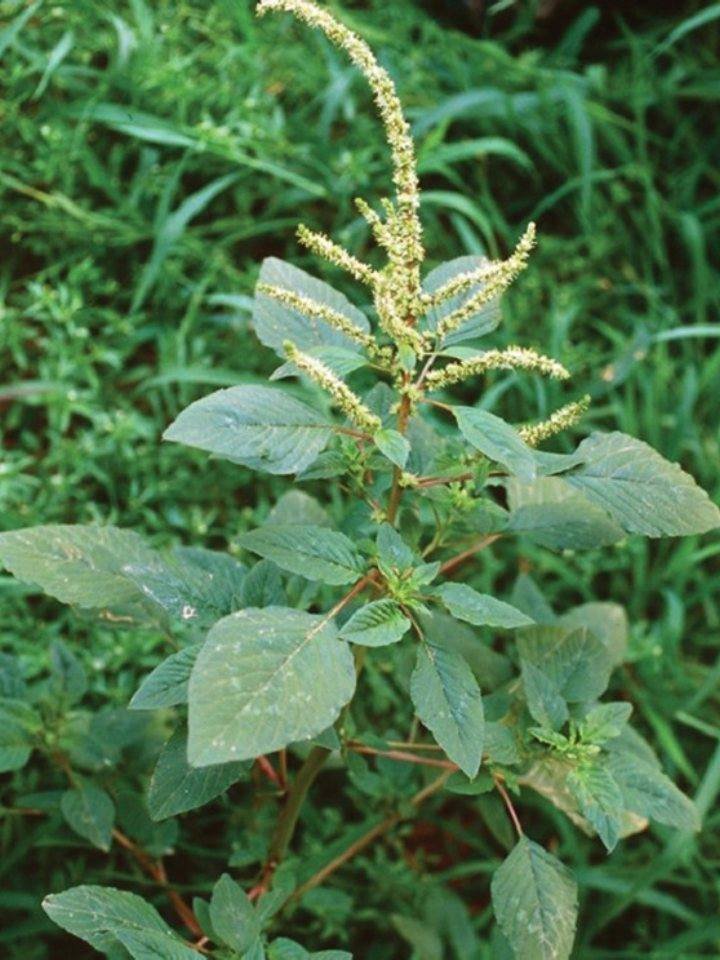
In a gardening or lawn care context, a weed is simply any plant growing in a place where it’s not desired. Common examples include:
-
Dandelions: Known for their yellow flowers and puffball seed heads.
-
Crabgrass: A fast-spreading grass that invades lawns.
-
Clover: Often considered a weed in lawns but can be beneficial for soil.
Control typically involves:
-
Manual removal (pulling or digging).
-
Chemical herbicides.
-
Preventative measures like mulching.
🍃 Meaning 2: The Drug Cannabis
Colloquially, “weed” is a common slang term for cannabis (also called marijuana or pot). It refers to the dried flowers, leaves, and stems of the Cannabis sativa or Cannabis indica plants.
Key points about cannabis:
-
Active Compounds: Its main psychoactive compound is THC (delta-9-tetrahydrocannabinol), which produces the “high.” Another major compound is CBD (cannabidiol), which is non-intoxicating and often used for potential therapeutic effects.
-
Forms: It can be smoked, vaporized, or consumed in edibles (like brownies or gummies).
-
Legality: This is crucially important and varies extremely by location.
-
In some places, it is fully legal for recreational and medical use.
-
In others, it is legal only for medical use with a prescription.
-
In many places, it remains illegal for any use. Penalties can be severe.
-
-
Effects & Risks: Effects can include relaxation, altered perception, and euphoria, but also anxiety, impaired memory, and coordination. Long-term use, especially when started young, carries health risks.
⚖️ What You Should Do Next
-
Identify the Context: Your next steps depend entirely on which meaning is relevant to you. Was the conversation about gardening, or was it about drugs/substances?
-
If Talking About Cannabis:
-
Understand Your Local Laws: You must look up the specific laws in your country, state, or province. Never assume legality.
-
Consider Health Information: Seek out factual, science-based resources from health authorities if you have questions about effects.
-
Make Informed Decisions: Any decision should be based on legal, health, and personal safety factors.
-
If you can tell me more about the context or what specific information you’re looking for, I can provide much more targeted and useful help.