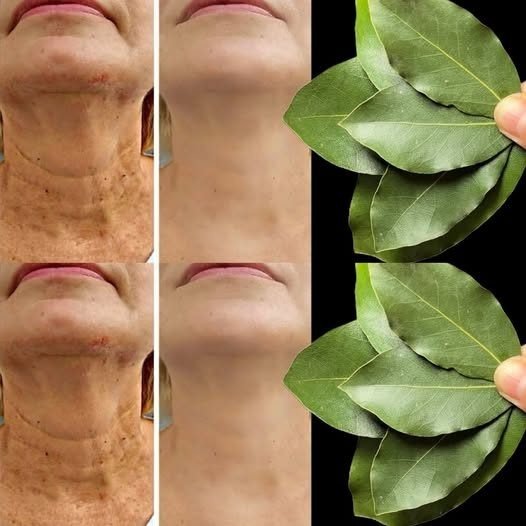
Here’s a detailed explanation of why this claim is misleading and what the facts are:
1. The Origins of the Myth
This viral claim usually appears in clickbait articles or videos. It often references a single, unreplicated 2013 laboratory study where bay leaf extract showed some in vitro (test tube) inhibitory activity on an enzyme called acetylcholinesterase.
-
The Flawed Connection: Some alternative health proponents made a giant, illogical leap. Botox (botulinum toxin) works by blocking nerve signals to muscles. Acetylcholinesterase is an enzyme involved in nerve signaling. The claim erroneously equates inhibiting this enzyme in a test tube with relaxing facial muscles and smoothing wrinkles like Botox does. The mechanisms are completely different, and the scale is not comparable.
2. Botox vs. Bay Leaf: A Scientific Reality Check
-
Botox: A highly purified, prescription-only neurotoxic protein. It is injected precisely into specific facial muscles to temporarily paralyze them, preventing the muscle contractions that cause dynamic wrinkles (like frown lines and crow’s feet). Its effect is powerful, localized, and clinically proven.
-
Bay Leaf (Laurus nobilis): A culinary herb. While it contains beneficial compounds like antioxidants (e.g., flavonoids, linalool), these are in low concentrations when used in cooking. There is no credible clinical evidence that applying bay leaf tea or oil to the skin or consuming it can relax facial muscles, fill wrinkles, or have any effect remotely close to Botox.
The “100,000 times stronger” number is completely fabricated and has no basis in scientific literature.
3. Potential Skin Benefits of Bay Leaf (The Real Story)
While it’s no Botox replacement, bay leaf does have properties that could be mildly beneficial for skin health as part of a general skincare routine:
-
Antioxidant: Can help combat free radical damage from sun and pollution, which contributes to general skin aging.
-
Anti-inflammatory: May help soothe minor skin irritation.
-
Antiseptic: Historically used in poultices for minor wounds.
You might find it as an ingredient in some natural skincare products for these properties, not as a wrinkle-eraser.
4. The Danger of Such Claims
-
Financial Exploitation: They are often used to sell overpriced “miracle” creams, supplements, or e-books.
-
False Hope: They can lead people to abandon proven skincare and anti-aging treatments for ineffective alternatives.
-
Safety Risks: DIY bay leaf preparations (like strong essential oils) can cause skin irritation, allergic reactions, or photosensitivity.
Evidence-Based “Natural” Approaches for Skin Health
If you’re looking for scientifically supported ways to support skin health and reduce signs of aging, focus on:
-
Topical Retinoids (Retinol, Tretinoin): The gold standard for increasing collagen and reducing wrinkles.
-
Vitamin C Serum: A potent antioxidant that brightens skin and protects against damage.
-
Niacinamide: Improves skin elasticity, evens tone, and strengthens the barrier.
-
Sunscreen (SPF 30+): The single most effective anti-aging product. Prevents photoaging caused by UVA/UVB rays.
-
Peptides & Hyaluronic Acid: Can help hydrate and improve skin’s appearance.
-
Healthy Diet & Hydration: A diet rich in antioxidants, vitamins, and minerals supports overall skin health.
-
Professional Procedures: For significant results, treatments like prescription retinoids, chemical peels, laser therapy, and yes, Botox or fillers have decades of clinical data backing their efficacy and safety.
Conclusion: Enjoy bay leaf in your soups and stews for its lovely aroma and flavor. However, do not believe the viral hype that it is a miraculous wrinkle eraser. It is a harmless herb, not a potent neurotoxin or a proven anti-aging treatment. For credible skincare advice, consult a board-certified dermatologist.