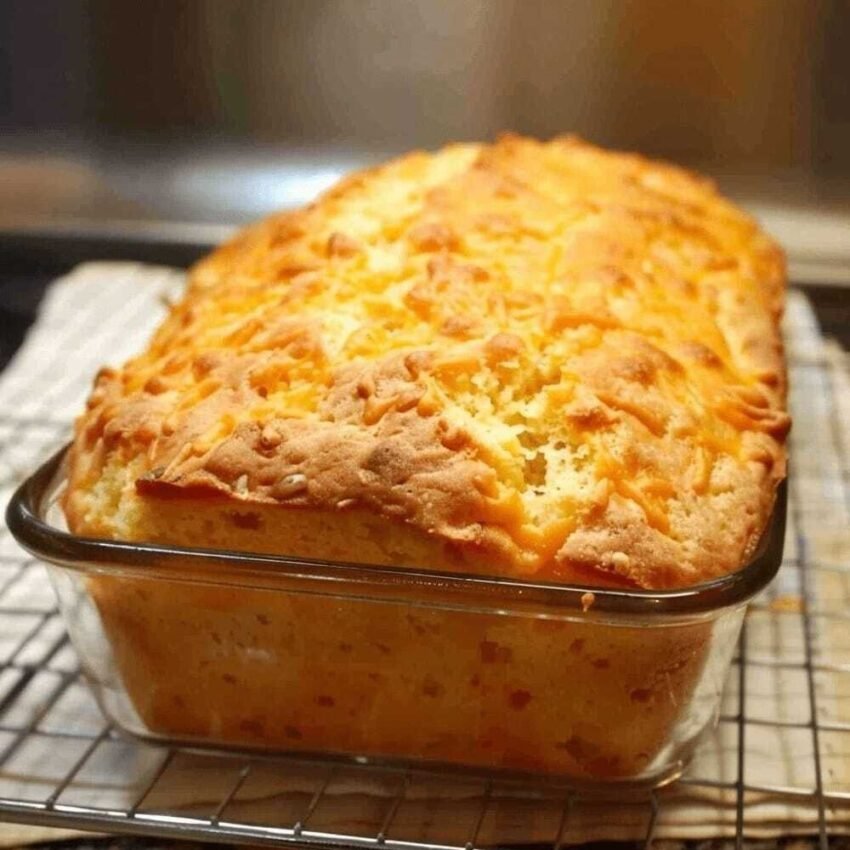
Bread: The Complete Guide to the Staff of Life
Bread is one of humanity’s oldest prepared foods—a simple yet miraculous transformation of flour, water, and often yeast into sustenance. Here’s everything from the science to the styles.
🍞 The 4 Basic Ingredients & Their Roles
-
Flour (Typically wheat): Provides protein (gluten) and starch. The gluten forms a network that traps gas, giving structure.
-
Water: Hydrates the flour, activates enzymes, and allows gluten development.
-
Yeast (or sourdough starter): A living microorganism that ferments sugars, producing carbon dioxide (for rise) and alcohol (for flavor).
-
Salt: Crucial for flavor, controls yeast activity, and strengthens gluten.
Optional but common: Fats (butter, oil) for tenderness, sweeteners (sugar, honey) for flavor and yeast food, eggs or milk for richness.
🔬 The Fundamental Process: How Bread is Made
These steps form the backbone of nearly all yeast breads.
-
Mixing: Combining ingredients to form a shaggy dough, then kneading to develop gluten.
-
Bulk Fermentation (First Rise): Yeast begins fermenting, dough rises and develops flavor.
-
Punching & Dividing: Releasing gas and redistributing yeast. Dividing into loaf portions.
-
Shaping: Forming the dough into its final shape (loaf, boule, batard, rolls).
-
Proofing (Final Rise): The last rise before baking, where dough expands to nearly its final size.
-
Baking: The “oven spring” (final rapid rise due to heat), crust formation, and the setting of the crumb’s structure.
-
Cooling: Moisture redistributes. Cutting too early results in a gummy texture.
🌍 A World of Bread Styles
By Leavening Agent
-
Yeast-Leavened: Most common. Includes sandwich loaves, baguettes, brioche.
-
Sourdough: Leavened by a wild yeast and bacteria culture (starter). Tangy, complex, chewy.
-
Quick Breads: Leavened by chemical agents (baking soda/powder). No yeast, no rise time. Examples: Banana bread, soda bread, muffins.
-
Unleavened: No leavening agent. Flat and dense. Examples: Tortillas, matzo, roti.
Popular Global Breads
-
Baguette (France): Crisp crust, airy interior, long and thin.
-
Ciabatta (Italy): High hydration, open holes, chewy.
-
Sourdough (San Francisco/US): Tangy, chewy crust, distinct flavor from Lactobacillus.
-
Pita (Middle East): Pocket bread steamed during baking.
-
Naan (India): Soft, leavened flatbread cooked in a tandoor.
-
Brioche (France): Enriched with eggs and butter, tender and rich.
-
Rye (Northern Europe): Dense, often with caraway seeds. Can be 100% rye or a blend.
-
Focaccia (Italy): Dimpled, olive oil-rich, often topped with herbs.
-
Bagel (Jewish diaspora): Boiled then baked, giving a chewy crust and dense crumb.
🧑🍳 How to Start Baking Bread at Home
Beginner’s Recipe: No-Knead Artisan Bread
The easiest path to impressive, crusty bread.
-
Mix: 3 cups (360g) all-purpose flour, 1 ½ tsp salt, ¼ tsp instant yeast, 1 ½ cups (360ml) warm water.
-
Rest: Cover bowl. Let sit at room temperature for 12-18 hours (long, slow fermentation).
-
Shape: Scrape dough onto a floured surface. Fold into a rough ball. Let rest 30 min.
-
Preheat: Place a Dutch oven in your oven. Preheat to 450°F (230°C) for 30 min.
-
Bake: Carefully place dough in the hot Dutch oven. Cover and bake 30 min. Uncover, bake 15 min more until deep golden brown.
-
Cool: Let cool completely on a rack.
Essential Tools
-
Digital kitchen scale (for accuracy)
-
Mixing bowls
-
Bench scraper
-
Dutch oven or baking stone/steel
-
Instant-read thermometer (bread is done at 190–210°F / 88–99°C internally)
💡 Pro Tips for Better Bread
-
Weigh Your Ingredients: Volume measuring is unreliable for flour. Baking is a science.
-
Autolyse: Let flour and water rest for 20-60 minutes before adding yeast and salt. Improves gluten development and extensibility.
-
Windowpane Test: To check gluten development, stretch a small piece of dough. If it forms a thin, translucent membrane without tearing, it’s ready.
-
Create Steam: Steam in the first 10 minutes of baking allows maximum oven spring and a crisp crust. Use a Dutch oven or add a pan of water to the oven.
-
Don’t Underproof or Overproof: Underproofed = dense. Overproofed = collapses. The poke test: Gently poke the dough. If it springs back slowly, leaving a small indent, it’s ready. If it springs back quickly, it needs more time. If it doesn’t spring back at all, it’s overproofed.
🔍 Troubleshooting Common Issues
-
Dense, Heavy Loaf: Underproofed, insufficient gluten development, or old/killed yeast.
-
Pale, Soft Crust: Oven not hot enough, no steam used.
-
Bread Collapses in Oven: Overproofed.
-
Large, Tunneling Holes: Over-kneaded or over-proofed.
-
Gummy Crumb: Sliced while still hot.
Bread baking is a rewarding journey of patience and practice. Each loaf tells a story of fermentation, time, and skill. Start simple, embrace the process, and enjoy the incomparable aroma and taste of homemade bread.