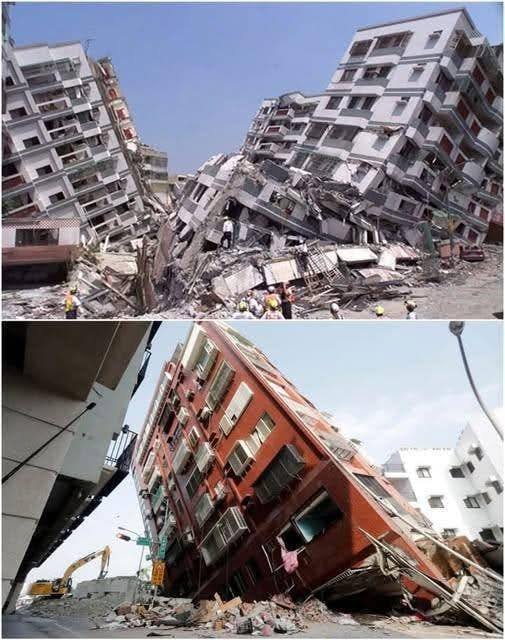
Please stay calm and follow official instructions if you are in the affected area.
If you are in the region:
-
Drop, Cover, and Hold On. If shaking is still happening, get under a sturdy table or desk. Protect your head and neck.
-
Move to open space if you are near buildings that could collapse or in a tsunami hazard zone (if near a coast).
-
Avoid using elevators.
-
Check for injuries on yourself and those around you. Provide first aid if safe to do so.
-
Expect aftershocks.
To get accurate information:
-
Tune in to local radio, TV, or official government social media channels for emergency alerts and instructions.
-
Avoid making non-essential calls to keep phone lines free for emergency services. Use text messages or social media to communicate if possible.
-
Do not spread unverified information. Rely on official sources like:
-
USGS (United States Geological Survey) for seismic data.
-
Your country’s national disaster management agency (e.g., FEMA, AFAD, etc.).
-
Local emergency services.
-
If you are looking for someone or want to help:
-
Register on or check “Safe and Well” lists often set up by relief organizations like the International Federation of Red Cross and Red Crescent Societies (IFRC).
-
Do not self-deploy to the area. Congestion can hinder rescue efforts. Wait for organized relief channels to announce how to help (often monetary donations to reputable agencies are most effective initially).
Please provide more specific details (location, country) if you can, so I can try to direct you to more precise resources.