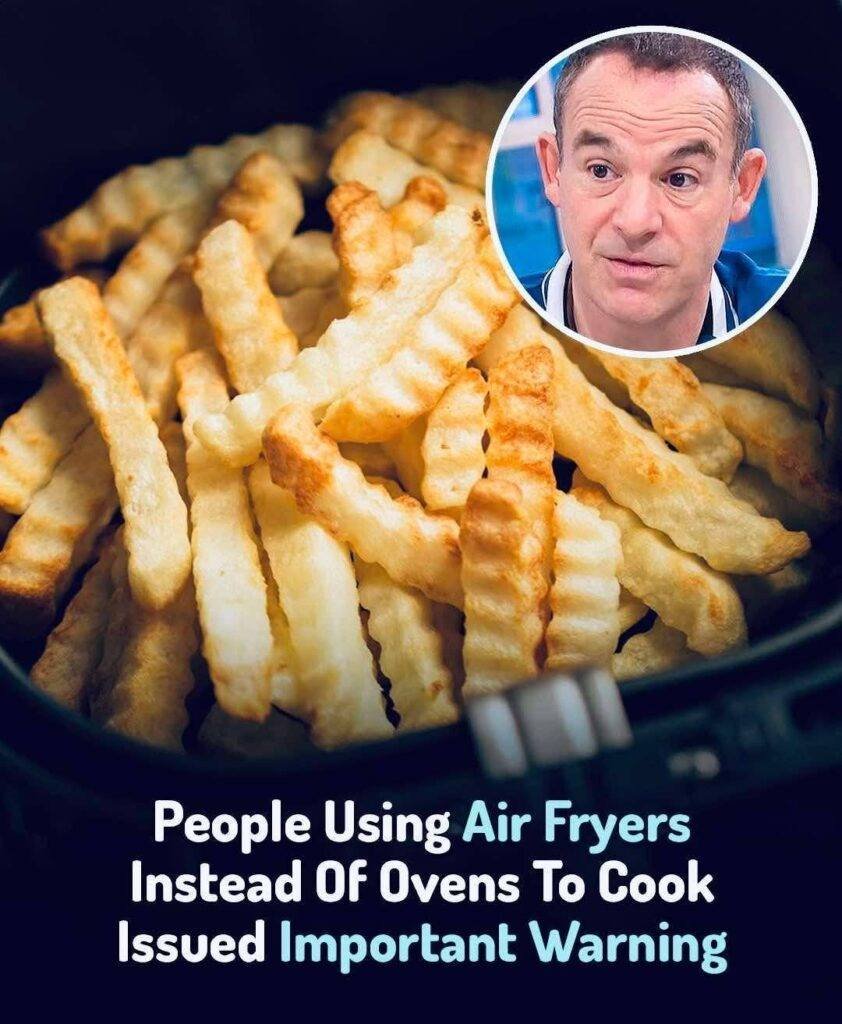
This is an important and nuanced topic. While air fryers are popular and convenient, experts (including food scientists, nutritionists, and safety organizations) point out certain limitations, risks, and scenarios where ovens are still better.
Here’s a balanced breakdown of the key cautions from experts:
1. Not a True “Fryer” – Manages Moisture, Not Magic
-
An air fryer is essentially a small, powerful convection oven. It circulates hot air to crisp food.
-
Experts say: It works best on foods that are already fatty (like chicken wings) or coated in oil. It struggles with wet batters (like tempura) or very moist foods, which can turn out gummy or uneven.
2. Potential for Acrylamide & Advanced Glycation End Products (AGEs)
-
High-heat cooking of starchy foods (fries, chips, toast) can produce acrylamide, a potential carcinogen.
-
Air frying can reduce acrylamide compared to deep-frying, but if you overcook or use very high temperatures, risk remains.
-
AGEs (linked to inflammation and aging) can form when cooking meats at high heat—air fryers may produce more than slower cooking methods.
3. Limited Capacity & Inconsistent Results
-
Small batches only – overcrowding leads to steaming, not crisping.
-
Hot and cold spots can occur in some models, causing uneven cooking.
-
Not ideal for baked goods like cakes or bread – the intense fan can create lopsided rising and dry textures.
4. Nonstick Coating Concerns
-
Most air fryer baskets have nonstick coatings (often PTFE/Teflon). If scratched, overheated (>500°F/260°C), or used with metal utensils, they can release toxic fumes or particles.
-
Experts recommend: Using silicone or wood tools, avoiding aerosol sprays on the coating, and hand-washing gently.
5. Energy Use – Not Always More Efficient
-
While an air fryer heats up faster than a large oven, for large meals, using a full oven can be more energy-efficient per portion.
-
Running an air fryer multiple times for a family meal may negate energy savings.
6. Food Safety Risks
-
The compact space can lead to undercooking if food isn’t spaced properly.
-
Raw poultry or meats may cook unevenly, risking foodborne illness. A food thermometer is essential.
When Experts Say to Use an Oven Instead
-
Large quantities of food.
-
Meals requiring multiple dishes (e.g., roasted vegetables + baked chicken).
-
Delicate baked goods (soufflés, custards, cakes).
-
When you want slower, more even heating (e.g., roasting a whole chicken or casseroles).
Safe & Healthy Air Frying Tips from Experts
-
Don’t overcrowd – cook in batches if needed.
-
Use a light oil spray (not aerosol near nonstick coatings) to aid crisping.
-
Shake or flip food halfway through cooking.
-
Check internal temperatures with a meat thermometer.
-
Ventilate your kitchen – air fryers can produce smoke if oil drips.
-
Clean after each use to avoid smoke and fumes from leftover grease.
Bottom Line
Air fryers are great for small, quick, crispy items but aren’t a total replacement for ovens.
Use the right tool for the job:
-
Air fryer: Fries, wings, reheating leftovers, roasted veggies in small batches.
-
Oven: Large meals, baking, gentle roasting, and foods requiring even, steady heat.
If you have specific health conditions, cooking goals, or environmental concerns, it’s worth considering these expert insights to make the best choice for your kitchen.