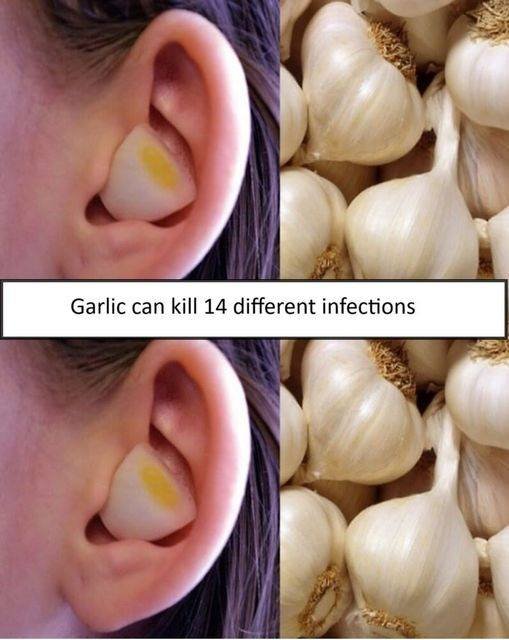
It’s true that garlic has been studied for its antimicrobial properties and has shown promise against various pathogens in laboratory settings. However, it’s important to approach such claims with nuance:
What the Science Suggests
-
Allicin (the active compound in crushed/chopped raw garlic) has demonstrated antibacterial, antifungal, and antiviral activity in studies.
-
Research in test tubes and some animal studies has shown garlic extract can inhibit growth of certain:
-
Bacteria – like E. coli, Salmonella, Staphylococcus aureus (including some antibiotic-resistant strains)
-
Fungi – such as Candida albicans
-
Viruses – possibly influencing some common cold viruses and others
-
Parasites – like Giardia
-
Important Caveats
-
“Can kill” ≠ “cures” – Lab studies (in vitro) don’t always translate to the same effect inside the human body.
-
Dosage & form matter – Most studies use concentrated garlic extracts, not typical dietary amounts. Cooking can reduce allicin activity.
-
Not a substitute for medical treatment – Garlic should not replace prescribed antibiotics or antifungals for serious infections without consulting a doctor.
-
Possible interactions – Garlic supplements can thin blood, interact with HIV/surgery medications, and cause digestive issues.
Traditional & Supportive Use
Garlic has a long history in traditional medicine for preventing and fighting infections.
Modern practical take:
-
Including garlic in a balanced diet may support immune function.
-
Some use it as a complementary approach for mild, common infections (like colds), but evidence for its efficacy in humans is mixed and not definitive.
Bottom Line
Yes, garlic has bioactive compounds with antimicrobial potential against a range of pathogens in lab conditions — but it’s not a broad-spectrum antibiotic replacement. If you have a serious infection, always seek professional medical advice rather than relying solely on garlic.