Hard-boiled eggs will last in the refrigerator for up to 1 week when stored properly.
This is the official recommendation from the USDA and food safety experts. The clock starts from the moment the eggs are finished cooking and cooled.
Why They Spoil Faster Than Raw Eggs
The boiling process removes the natural protective coating on the eggshell (called the “bloom” or cuticle). This makes the porous shell more susceptible to bacteria and odors from your fridge. Peeling the egg removes this barrier entirely, so peeled eggs require extra care.
Best Practices for Storage (The Key to Longevity)
1. Cool Them Quickly:
-
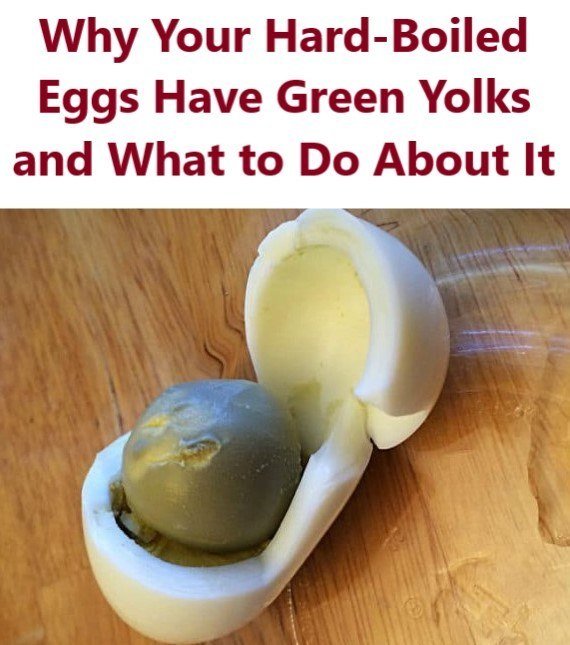
After boiling, immediately transfer the eggs to an ice water bath for about 10 minutes. This stops the cooking process and prevents the unappetizing green ring around the yolk.
2. Do NOT Peel Until Ready to Eat:
-
Unpeeled eggs: Store in a sealed container or a resealable plastic bag in the main part of the fridge (not the door). The shell acts as a partial barrier. They will last the full 7 days.
-
Peeled eggs: Place them in a bowl of cold water (change the water daily) OR in a sealed container lined with a damp paper towel. Keep them airtight. They will last for about 5 days this way. You can also store peeled eggs in a sealed container without water, but they may dry out slightly.
3. Label Your Container:
-
Write the boiling date on the container with a marker. It’s easy to forget when you made them!
4. Keep Them Chilled:
-
Always store at or below 40°F (4°C). Don’t leave them out at room temperature for more than 2 hours (or 1 hour if it’s very warm).
How to Tell If a Hard-Boiled Egg Has Gone Bad
Trust your senses:
-
Smell: The most reliable test. A spoiled hard-boiled egg will have a distinctive, unpleasant sulfurous or rotten odor. If it smells bad, toss it.
-
Sliminess: A slippery or slimy feel on the white is a sign of bacterial growth.
-
Color: Significant discoloration (like pink, blue, or greenish-black spots) is a warning sign. (Note: A harmless greenish-gray ring around the yolk is just from overcooking and is safe to eat).
-
Taste: If it passes the above tests but tastes off, spit it out and discard the rest.
When in doubt, throw it out! The risk of foodborne illness isn’t worth it.
Pro-Tips for Egg Lovers
-
For Easier Peeling: Use older eggs (about 7-10 days old) rather than very fresh ones. The ice water bath also helps separate the membrane from the white.
-
For Perfect Yolks: For bright yellow, creamy yolks, avoid overcooking. Once the water boils, remove the pot from heat, cover, and let sit for 10-12 minutes for large eggs, then transfer to ice water.
-
For Meal Prep: They are a fantastic, high-protein snack. Keep them unpeeled for the longest shelf life and peel as you go.
-
Pickling: If you want to extend their life with a flavor twist, pickle them! Pickled eggs, when stored in a proper vinegar brine in the fridge, can last 3-4 months.
Summary Timeline:
-
Unpeeled, in shell (stored properly): Up to 7 days
-
Peeled, in water/airtight container: Up to 5 days
-
At room temperature: Less than 2 hours
-
Pickled in brine (refrigerated): 3-4 months
Enjoy your eggs safely and deliciously! 🥚