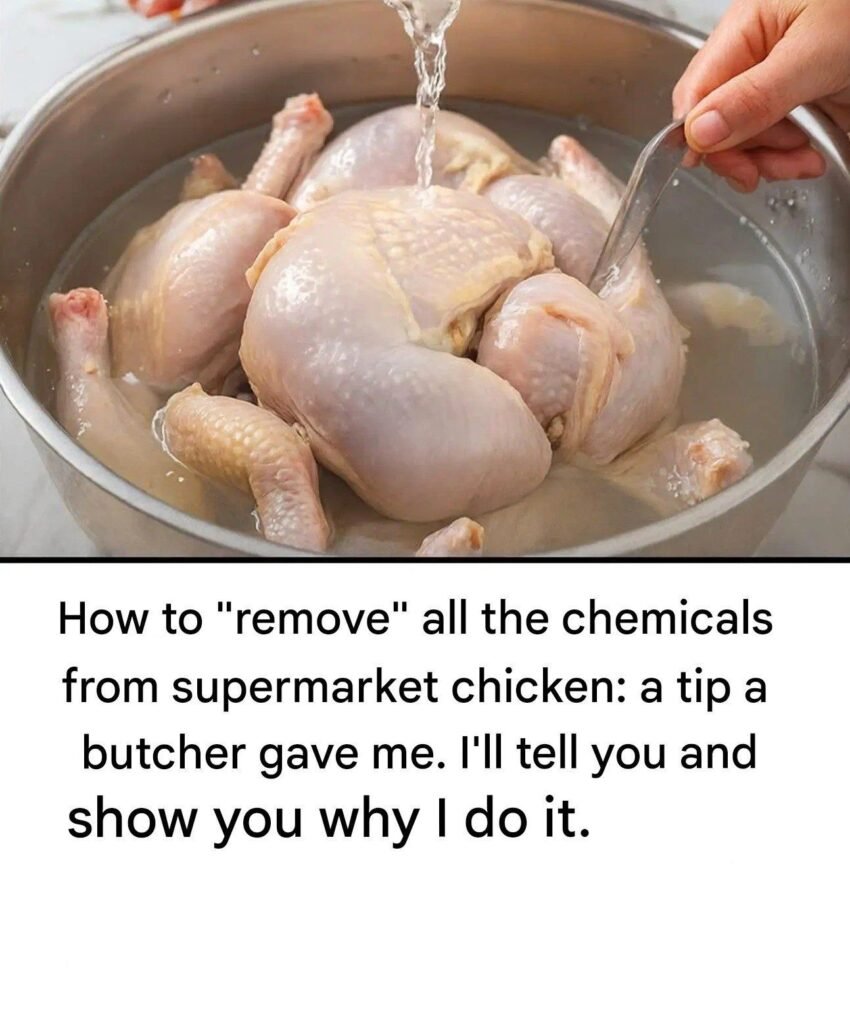
This is a very important question that gets to the heart of food safety and transparency. First, it’s crucial to clarify some terms and separate fact from common fears.
The term “chemicals” in this context often refers to a few key things:
-
Antibiotics & Growth Promoters: Used in some farming systems (though heavily regulated and with withdrawal periods).
-
Chlorine or Peracetic Acid Rinses: Used in many countries (like the US) as an antimicrobial rinse in processing plants to reduce pathogens like Salmonella and Campylobacter. This is a surface-level treatment.
-
Retained Water (and possible additives): In some regions, chicken may be chilled in water, and it can absorb some water. In certain cases, approved additives like phosphates may be used to help retain that moisture.
A slaughterhouse or processing plant worker might highlight the following practical steps, based on the understanding of where these substances are:
Revelations & Practical Steps for Home Kitchen:
-
The Skin is Key: Many potential residues (like antimicrobial rinses or fat-soluble compounds) are concentrated on or in the skin. The single most effective step is to remove the skin before cooking.
-
Worker’s Insight: The antimicrobial sprays and chill-tank water have the most contact with the skin.
-
-
Thorough Rinsing is Debated and Potentially Dangerous:
-
Common Suggestion: Rinse the chicken under cold water.
-
CRITICAL WARNING from Food Scientists: This is not recommended by the USDA, FDA, or other food safety bodies. Rinsing raw chicken can aerosolize bacteria (like Salmonella) up to 3 feet away, contaminating your sink, countertops, and other foods. Any potential “chemical” removal is negligible compared to the major risk of cross-contamination.
-
Worker’s Insight: The plant uses controlled, contained systems for washing. Your kitchen sink is not one of them.
-
-
The Power of Brining and Soaking (Safer than Rinsing):
-
Soaking chicken in a solution of cold water with 1-2 tablespoons of salt or vinegar (acetic acid) for 15-30 minutes can help draw out some impurities and blood. Some believe this helps remove surface residues.
-
Worker’s Insight: This mimics, in a very basic way, the “chilling” process but gives you control. Always do this in a covered container in the refrigerator, not in an open sink.
-
-
Blanching (A Common Chef & Food Service Technique):
-
This is one of the most effective methods a home cook can use. Submerge the chicken pieces in cold water in a pot. Bring it just to a boil, then immediately drain and rinse the chicken carefully in the contained pot before proceeding with your recipe. You’ll see scum and impurities come out.
-
Worker’s Insight: This is a standard practice in many commercial kitchens and some food cultures to create a cleaner-tasting broth or final product. It removes surface fats, residues, and impurities.
-
-
Choose Your Cooking Method Wisely:
-
Methods that allow fat and juices to drip away are preferable if you’re concerned about residues in fat and juices. Grilling, baking on a rack, or air-frying are better than stewing or braising where everything is concentrated in the pot.
-
After cooking, discard all the cooking juices and fat that accumulate, especially if you didn’t remove the skin.
-
-
The Most Important Revelation: Source Matters
-
A worker’s biggest revelation might be: “If you’re deeply concerned, buy chicken that doesn’t use these processes in the first place.”
-
Look for certifications that align with your concerns:
-
“Certified Organic” (US/EU): Prohibits the use of antibiotics (except for treating sick animals) and synthetic chemical rinses like chlorine. Organic peracetic acid rinses may be used.
-
“Raised Without Antibiotics” / “No Antibiotics Ever (NAE)”: Addresses the antibiotic concern, but processing methods may vary.
-
“Air-Chilled”: This is a major one. These chickens are chilled with cold air instead of being submerged in water. They don’t absorb water, are less likely to be treated with antimicrobial water rinses, and many brands also adhere to higher animal welfare and antibiotic standards. They are often more expensive but are the cleanest from a “chemical” processing standpoint.
-
-
Summary of Recommendations:
-
Prioritize: Buy air-chilled, organic, or RWA chicken if it’s within your budget. This is the most effective step.
-
At Home: Remove the skin before cooking.
-
For a Deep Clean: Use the blanching method before your final cook (great for soups, stews, or any recipe where you want to sear the chicken afterwards).
-
Avoid: Do NOT rinse raw chicken under a running tap. The food poisoning risk is very real.
-
Cook Properly: Use high-heat methods where fats drip away and always discard pan juices.
The core message from an informed worker would be that while the commercial system uses approved chemicals for safety (pathogen reduction) and efficiency, the power to reduce your exposure lies in informed purchasing (air-chilled, organic) and specific, safe kitchen practices (skin removal, blanching, proper cooking).