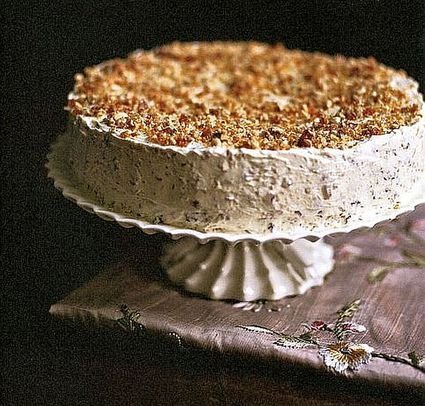
Hungarian desserts are a delightful mix of rich, decadent cakes, fragrant pastries, and fruit-forward treats, often featuring staples like walnuts, poppy seeds, apricots, and sour cream. Here is a guide to some iconic Hungarian dessert recipes, from the world-famous to the beloved everyday classics.
1. Dobos Torte (Dobostorta)
The king of Hungarian cakes, invented by József C. Dobos in 1884. It’s known for its many thin sponge cake layers, chocolate buttercream, and a hard caramel top.
Key Characteristics:
-
Layers: 6-8 thin sponge cakes.
-
Filling: Rich chocolate buttercream (made with real chocolate).
-
Top: A single layer covered with brittle caramel, often scored into wedges.
-
Sides: Usually coated with ground nuts (hazelnuts or walnuts).
Tip: The caramel top must be added just before the caramel sets to prevent it from cracking when sliced.
2. Somlói Galuska
A “drunken” trifle-like dessert that’s deceptively simple and incredibly delicious. Its name means “dumplings from Somló,” a wine region.
Key Ingredients:
-
Sponge Cakes: Three different types (plain, walnut, chocolate) cubed into “dumplings.”
-
Syrup: Soaked in rum-infused sugar syrup or sweet wine.
-
Cream: Layered with vanilla custard (crème anglaise) and whipped cream.
-
Topping: Finished with chocolate sauce and more whipped cream.
-
Serving: Often assembled in a glass bowl or individual portions.
3. Rétes (Strudel)
The Hungarian version of strudel, featuring an impossibly thin, hand-stretched dough. It’s a culinary art form.
Most Popular Fillings:
-
Apple (Almás): With raisins, walnuts, cinnamon.
-
Sweet Cheese (Túrós): Made with túró (farmer’s cheese), raisins, and lemon zest.
-
Sour Cherry (Meggyes): Classic and tart.
-
Poppy Seed (Mákos): Ground poppy seeds mixed with sugar and milk.
-
Pumpkin (Tökös): Grated pumpkin, sugar, raisins, and cinnamon.
Essential: The dough should be so thin you can read a newspaper through it. Brushed with melted butter before baking for a flaky crust.
4. Mákos és Diós Bejgli (Poppy Seed and Walnut Roll)
The quintessential Christmas and Easter dessert. A yeasted dough roll filled with a dense, sweet paste.
Two Classic Fillings:
-
Mákos (Poppy Seed): Ground poppy seeds cooked with milk, sugar, raisins, and lemon zest.
-
Diós (Walnut): Ground walnuts mixed with sugar, milk, and often rum or citrus.
Serving: Sliced into rounds, revealing the beautiful spiral. Best made a day ahead so the flavors meld and the roll is easier to slice.
5. Rigó Jancsi
A bold, romantic chocolate cube named after a famous gypsy violinist. It’s a story of love and scandal in dessert form.
Structure:
-
Layers: Two layers of light chocolate sponge cake.
-
Filling: A very rich, semi-soft chocolate mousse or cream.
-
Topping: A dark chocolate glaze poured over the top.
-
Texture: The cake is tender, the filling is smooth and decadent.
6. Kürtőskalács (Chimney Cake)
A festive street food from Transylvania (now part of Romania but with strong Hungarian roots). Sold at markets and festivals.
How It’s Made:
-
A sweet yeast dough is wrapped around a cylindrical spit, rolled in sugar, and baked over an open fire or in a special oven.
-
The sugar caramelizes into a crispy, shiny crust.
-
After baking, it can be rolled in additional toppings like cinnamon, walnuts, cocoa, or coconut.
Eating: Pulled apart in spirals. The inside is soft and fluffy.
7. Palacsinta (Hungarian Crêpes)
Thinner and more delicate than American pancakes, they are a versatile base for both sweet and savory fillings.
Classic Sweet Fillings & Sauces:
-
Gundel Palacsinta: The most famous version, filled with ground walnuts, raisins, rum, and lemon zest, topped with a bittersweet chocolate sauce.
-
Túrós (Sweet Cheese): With túró, raisins, and lemon.
-
Jam or Lekvár (Thick fruit jam): Especially apricot (barack) or plum (szilva).
-
Simple: Sprinkled with powdered sugar and lemon juice.
8. Aranygaluska (Golden Dumpling Cake)
A comforting, pull-apart coffee cake, perfect for breakfast or dessert.
Method:
-
Small balls of yeasted dough are rolled in melted butter, then in a mixture of sugar and ground walnuts (or sometimes cinnamon sugar).
-
The balls are packed tightly into a Bundt pan and baked until golden.
-
Often a vanilla custard sauce (crème anglaise) is poured over the top just before serving, soaking into the dough.
Essential Hungarian Ingredients & Tips:
-
Túró: A dry, crumbly farmer’s cheese or quark. Essential for cheese fillings.
-
Poppy Seed (Mák): Always ground for fillings. It releases more flavor and creates the signature paste.
-
Sour Cream (Tejföl): Used generously in cakes, fillings, and toppings. Its tanginess balances sweetness.
-
Lekvár: A thick, unsweetened fruit jam (apricot or plum) used as a filling or glaze.
-
Walnuts and Hazelnuts: Ubiquitous in cakes, rolls, and toppings.
-
Rum & Vanilla: Common flavorings in creams and fillings.
A Note on Coffee: These desserts are almost always enjoyed with a strong, small cup of Hungarian coffee, which provides the perfect bitter counterpoint to their sweetness.
Where to Start?
If you’re new to Hungarian baking, Palacsinta is the most approachable. For a project, Bejgli is very rewarding. To truly impress, attempt the legendary Dobos Torte.