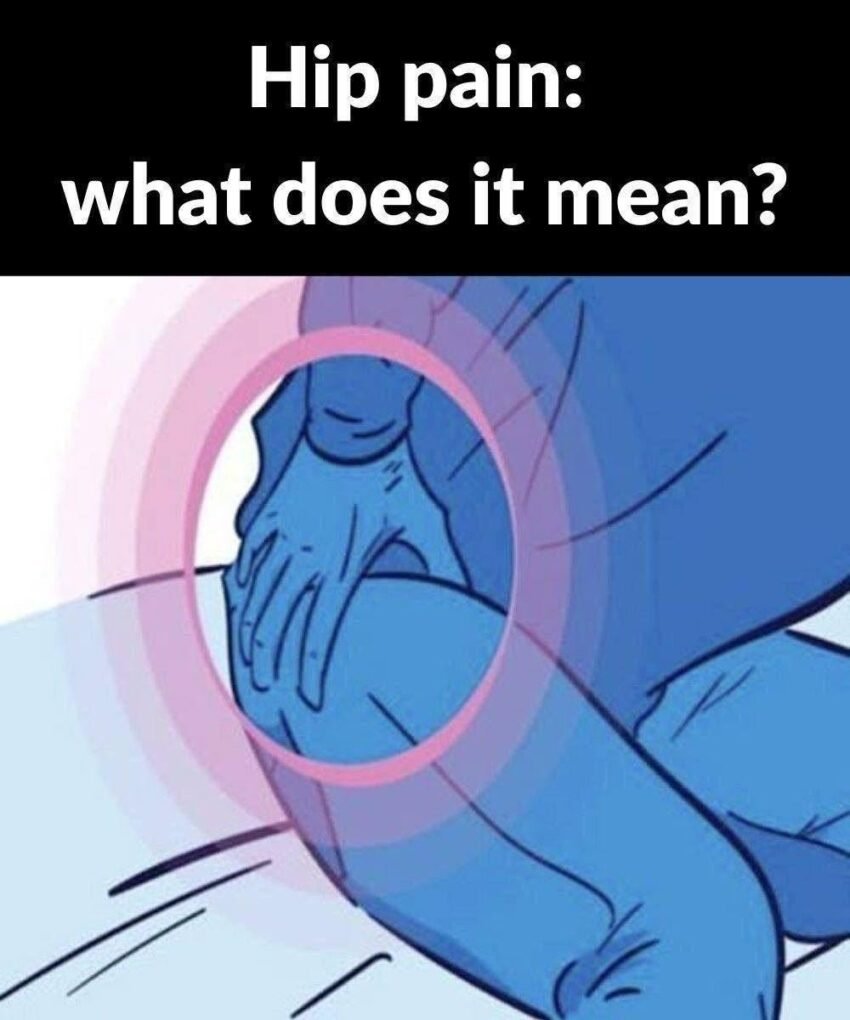
That’s an important start to a sentence, but it’s crucial to finish it correctly to avoid misinformation. Hip pain is not always a clear sign of one specific thing.
A more accurate and complete statement would be:
“If you have hip pain, it is a clear sign that you should pay attention to your body and consider seeking a medical evaluation to determine the cause.”
Hip pain is a symptom, not a diagnosis. It can be a sign of many different conditions, ranging from mild to serious. Jumping to conclusions can be dangerous.
Here are some of the many possible causes hip pain could be a “clear sign” of:
-
Musculoskeletal Issues: Osteoarthritis, bursitis, tendonitis, muscle strain, or a labral tear.
-
Referred Pain: Pain that originates elsewhere but is felt in the hip (e.g., from the lower back, a hernia, or issues with the sacroiliac joint).
-
Injuries: Fractures, dislocations, or stress fractures.
-
Systemic Conditions: Inflammatory diseases like rheumatoid arthritis or ankylosing spondylitis.
-
Other Medical Conditions: Infections, avascular necrosis (loss of blood supply to the bone), or, in rare cases, tumors.
The key takeaway: While hip pain is a clear signal from your body that something is wrong, it is not a clear sign of any single condition. A proper diagnosis from a healthcare professional (like a doctor, physiotherapist, or orthopedist) is essential to identify the root cause and get the right treatment.