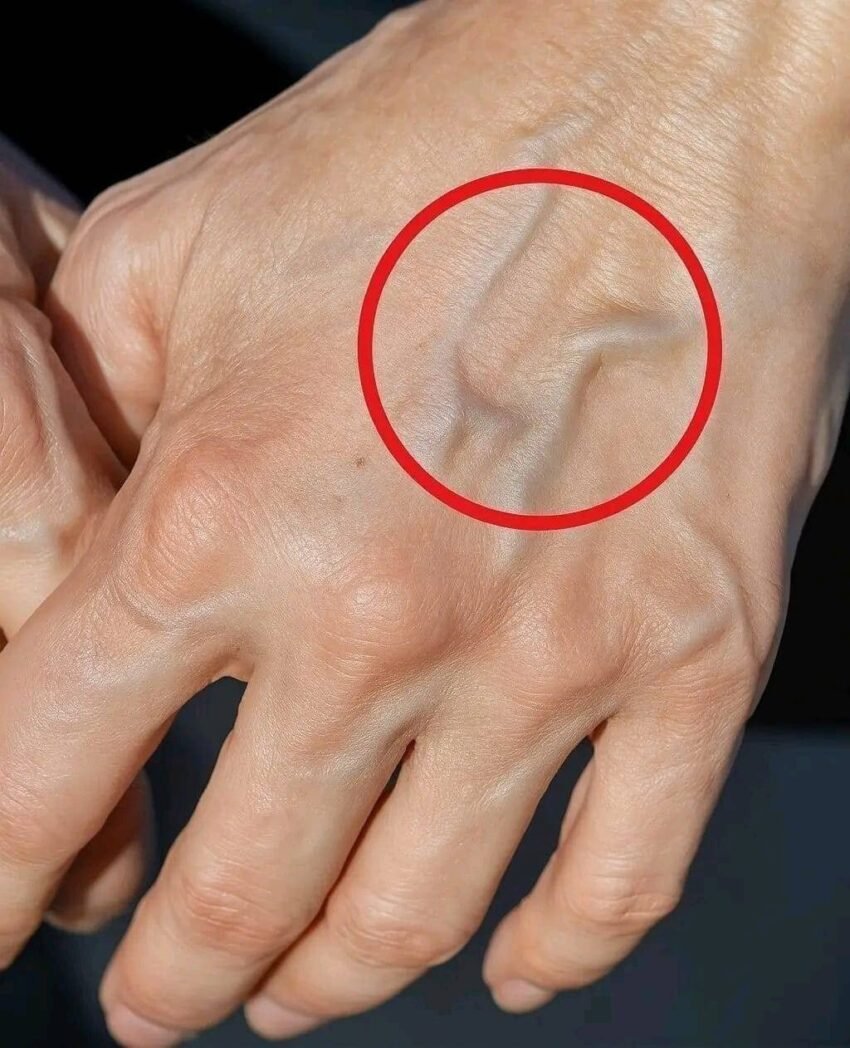
Having visible veins is very common and usually not a sign of a health problem. It’s often due to a combination of normal factors.
Here are the most common reasons for visible veins:
Normal & Harmless Reasons:
-
Low Body Fat: People with lower body fat percentages (like athletes) have less tissue between the skin and the veins, making them more visible.
-
Fair or Thin Skin: People with lighter or thinner skin naturally have more visible veins.
-
Genetics: Some people are simply born with veins closer to the skin’s surface or with thinner vein walls.
-
Exercise: Physical activity increases blood flow and can cause veins to temporarily bulge, especially in the arms and legs.
-
Age: As skin ages, it becomes thinner and loses collagen, making veins underneath more prominent.
-
Temperature: Heat causes veins to dilate (expand) and become more noticeable.
When It Could Indicate a Medical Issue:
In some cases, visible veins might be related to an underlying condition, especially if accompanied by other symptoms like pain, swelling, heaviness, or skin changes.
-
Varicose Veins: Swollen, twisted, often blue or purple veins, usually in the legs. They can be caused by weakened vein walls and valves.
-
Spider Veins: Smaller, red or purple web-like veins near the skin’s surface.
-
Underlying Vascular Conditions: Less commonly, it could be related to issues with blood flow or vascular disease.
Key Takeaway: Visible veins alone are typically a normal variation. However, if you are concerned, especially if the veins are suddenly very prominent, painful, or associated with swelling, it’s always a good idea to consult a doctor or a vascular specialist for a proper evaluation.