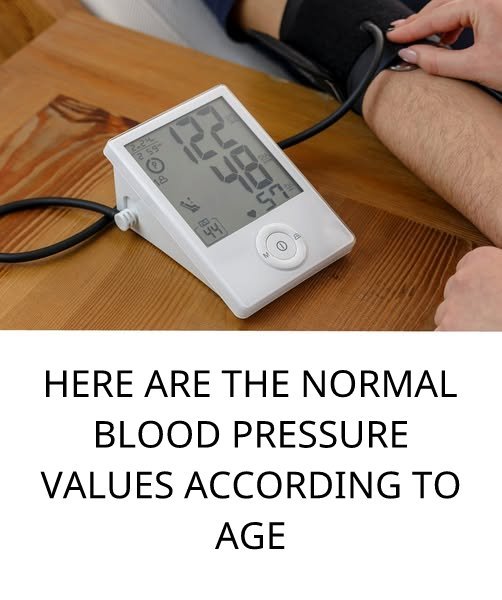
However, modern medical guidelines from major organizations like the American Heart Association (AHA) and the American College of Cardiology (ACC) have moved away from recommending different “normal” values based solely on age.
Instead, they define a universal standard for all adults 18 and older. This is because the damage caused by high blood pressure (hypertension) can occur at any age, and what was once considered “normal for an older person” is now seen as a risk factor.
Current Universal Blood Pressure Guidelines
| Category | Systolic (mm Hg) | Diastolic (mm Hg) | |
|---|---|---|---|
| Normal | Less than 120 | and | Less than 80 |
| Elevated | 120 – 129 | and | Less than 80 |
| Hypertension Stage 1 | 130 – 139 | or | 80 – 89 |
| Hypertension Stage 2 | 140 or higher | or | 90 or higher |
| Hypertensive Crisis | Higher than 180 | and/or | Higher than 120 |
*(Source: AHA/ACC 2017 Guidelines)*
Why Age is Still a Factor (Context Matters)
While the target is the same, age influences risk and management:
-
Young & Middle-Aged Adults: Any consistent reading above 130/80 is a clear signal for lifestyle changes and possibly medication. Early intervention is critical.
-
Older Adults (65+): While the goal is still <130/80, doctors may consider individual factors like frailty, other conditions, and the risk of side effects (like dizziness) when setting a personalized target. It is a myth that high BP is “normal” with aging.
How to Use This Knowledge for Prevention
-
Know Your Numbers: Check your BP regularly, even if you feel fine. Hypertension is often called the “silent killer.”
-
Lifestyle is Key (For Everyone): The most powerful prevention tools are:
-
Diet: Follow a low-sodium, heart-healthy diet (like the DASH or Mediterranean diet).
-
Exercise: Aim for at least 150 minutes of moderate activity per week.
-
Weight: Maintain a healthy weight.
-
Limit Alcohol & Don’t Smoke.
-
Manage Stress.
-
-
Consult Your Doctor: Always discuss your blood pressure readings and personal risk factors (like family history, diabetes, or kidney disease) with a healthcare professional. They will determine the best personalized plan for you.
-
Medication When Needed: If lifestyle changes aren’t enough, medication is a vital and effective tool to prevent the serious consequences of hypertension (heart attack, stroke, kidney disease).
In summary: Don’t use age-based tables that may normalize unhealthy numbers. Aim for under 120/80 as a healthy target, monitor regularly, and partner with your doctor to create a prevention or management plan tailored to you.
Taking these steps seriously is the best way to prevent those serious problems you mentioned. 💙