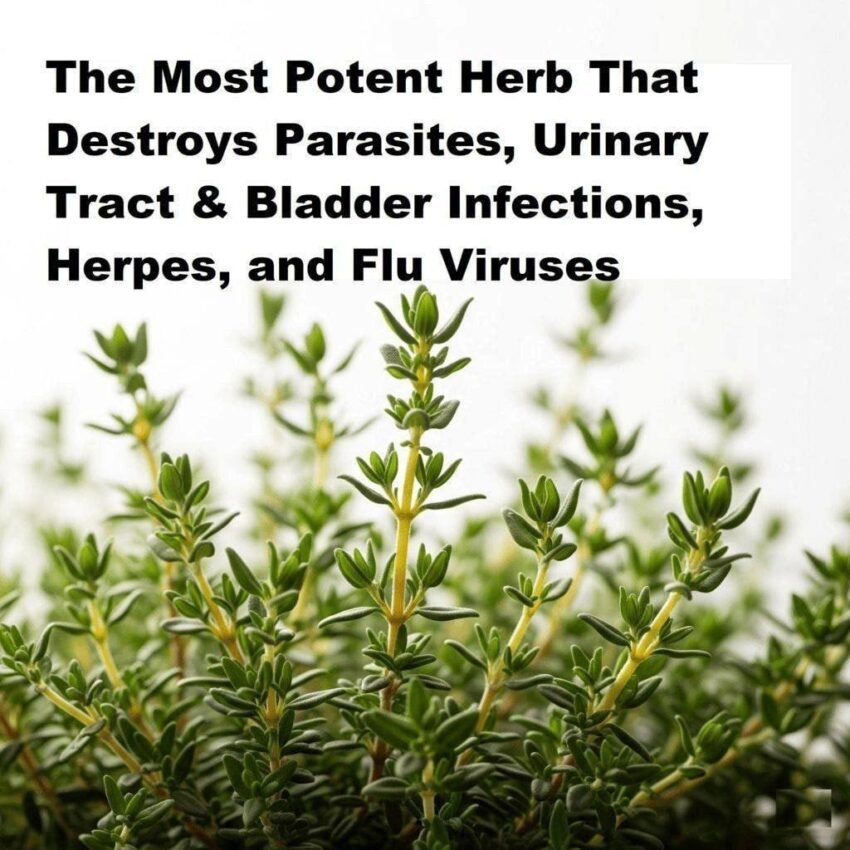
While it’s understandable to seek powerful natural remedies, it’s crucial to approach this topic with caution and scientific accuracy. No single herb is a magic bullet that safely and effectively “destroys” all these different types of infections.
Viruses (like herpes and flu), bacteria (common in UTIs), and parasites are fundamentally different pathogens, and effective treatments must be specific to the cause.
However, based on traditional use and some scientific research, one herb that is extensively studied and shows broad-spectrum antimicrobial and antiparasitic properties is Berberine.
The Case for Berberine
Berberine is a bitter-tasting, yellow-colored alkaloid found in the roots, rhizomes, and stem bark of plants like:
-
Goldenseal (Hydrastis canadensis)
-
Barberry (Berberis vulgaris)
-
Oregon Grape (Mahonia aquifolium)
-
Chinese Goldthread (Coptis chinensis)
Here’s how it relates to the conditions you mentioned, with important caveats:
-
Parasites: Berberine has demonstrated antiprotozoal effects in studies, particularly against intestinal parasites like Giardia lamblia, Entamoeba histolytica, and Trichomonas vaginalis. It can disrupt the parasite’s ability to attach to and invade host tissues.
-
Urinary Tract & Bladder Infections (UTIs): Berberine shows antibacterial activity against a range of bacteria, including E. coli (the most common UTI cause). It may help by inhibiting bacterial adhesion to bladder walls. However, a confirmed UTI often requires prescription antibiotics to prevent it from ascending to the kidneys, which can be life-threatening.
-
Viruses (Herpes & Flu):
-
Herpes: In vitro (test tube) studies suggest berberine can inhibit the replication of herpes simplex virus (HSV-1 and HSV-2). Its anti-inflammatory effects might also help soothe outbreaks. It is not a cure and is not as directly effective as prescription antivirals (like acyclovir) for acute management.
-
Flu: Some research indicates it may have activity against influenza viruses. Its primary benefit here might be in modulating the immune response and reducing inflammation.
-
How it works: Berberine’s mechanism is multi-targeted. It can damage the cell membranes of pathogens, interfere with their DNA/RNA synthesis, and inhibit their energy production.
CRITICAL CAUTIONS & DISCLAIMERS
-
Not a Substitute for Medical Diagnosis or Treatment: This information is for educational purposes. Self-treating a serious infection like a UTI, parasitic infestation, or flu can lead to severe complications. Always consult a healthcare professional for proper diagnosis and treatment.
-
Drug Interactions: Berberine is a powerful compound that can interact with many medications. It affects liver enzymes (CYP450) and can alter the levels of:
-
Blood thinners (e.g., warfarin)
-
Diabetes medications
-
Blood pressure drugs
-
Immunosuppressants
-
And many others.
-
-
Side Effects & Contraindications: It can cause digestive upset, constipation, or cramping. It is not recommended for pregnant or breastfeeding women as it may stimulate uterine contractions and cross the placental barrier.
-
Quality & Dosage: Supplements vary widely in quality. Dosage depends on the condition and the individual. Professional guidance is essential.
Other Potent Herbs with Specific Actions
-
For Parasites (especially intestinal):
-
Wormwood (Artemisia annua): Contains artemisinin, well-known for antiparasitic effects (e.g., malaria).
-
Black Walnut Hull: Traditional use for expelling parasites.
-
-
For UTIs (Support & Prevention):
-
Uva Ursi: Contains arbutin, which converts to an antibacterial compound in the urinary tract. For short-term use only under guidance.
-
D-Mannose (a sugar, not an herb): Highly effective for E. coli UTIs by preventing bacterial adhesion.
-
-
For Herpes (Immune Support & Outbreak Management):
-
Lemon Balm: Topical application has been shown to reduce herpes outbreak symptoms and healing time.
-
-
For Flu & Immune Support:
-
Elderberry (Sambucus nigra): Well-studied for reducing the severity and duration of flu symptoms.
-
Echinacea: Often used at the onset of colds/flu to stimulate immune function.
-
The Bottom Line
The search for a single “most potent herb” is understandable but medically oversimplified. Berberine stands out for its broad in vitro and traditional evidence across these categories, but it is not a proven, safe, or first-line treatment for these conditions on its own.
The safest and most effective approach is:
-
Get a proper diagnosis from a doctor to know exactly what pathogen you’re dealing with.
-
Discuss integrative options with a knowledgeable healthcare provider (like a naturopathic doctor or integrative MD) who can safely combine evidence-based herbal medicine with conventional treatments when necessary.
-
Focus on prevention: A strong immune system (supported by sleep, diet, stress management, and foundational herbs like astragalus or medicinal mushrooms) is your best defense against all infections.