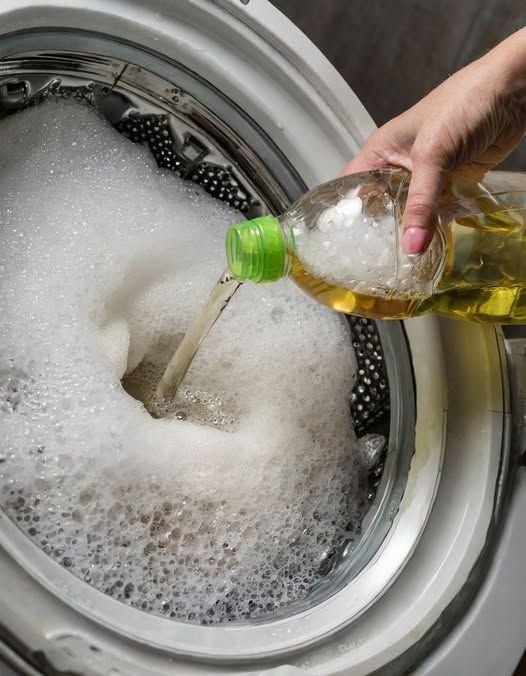
Vinegar is a laundry powerhouse, but using it incorrectly can limit its effectiveness and even cause issues. Here’s the breakdown of common mistakes and the right way to use vinegar in your laundry.
Common Mistakes (What Not to Do)
-
Using it with Bleach: This is the most dangerous mistake. Mixing vinegar (acid) with chlorine bleach creates toxic chlorine gas. Never use them in the same cycle.
-
Pouring it directly on clothes: Undiluted vinegar, especially white vinegar, is acidic and can damage fabrics over time, causing fibers to weaken or bleach in spots.
-
Using it as a Fabric Softener in the Dispenser: The vinegar can damage the rubber seals and hoses of the dispenser over time. It’s also not dispensed at the right time in the cycle.
-
Expecting it to be a Detergent: Vinegar is a booster, softener, and odor remover, not a cleaning agent for dirt and stains. It doesn’t replace detergent.
-
Using the Wrong Type: Always use distilled white vinegar. It’s clear, cheap, and odorless after drying. Avoid apple cider or wine vinegar, which can stain.
The Right Way to Use Vinegar: A Step-by-Step Guide
For Whiter Whites & Brighter Colors:
-
Act as a Natural Bleach Alternative: Vinegar’s mild acidity helps break down mineral deposits (from hard water) and detergent residue that dull fabrics.
-
How to: Add 1/2 to 1 cup of distilled white vinegar to the fabric softener dispenser or a downy ball. This releases it during the final rinse cycle, where it can neutralize alkalies without interfering with the wash cycle’s cleaning.
For Softer, Fluffier Towels & Fabrics:
-
Dissolve Mineral Buildup: Hard water minerals and detergent soap scum coat towels, making them stiff and less absorbent. Vinegar dissolves this buildup.
-
How to: Use the same method as above (1 cup in the rinse cycle). The vinegar rinses away cleanly, leaving no odor and restoring softness and absorbency. It’s especially good for workout clothes, diapers, and towels.
To Eliminate Odors & Set Colors:
-
Neutralizes Smells: It’s excellent for mildew (think gym clothes or forgotten laundry), smoke, and general perspiration odors.
-
Sets Dyes: Soak new, brightly colored garments in a solution of cold water and 1 cup of vinegar for 15-30 minutes before the first wash to help prevent bleeding.
-
How to: For odors, add vinegar to the rinse cycle as usual. For a strong mildew smell, you can run a wash cycle with just 1 cup of vinegar (no detergent), then wash again normally.
As a Natural Stain Treatment:
-
For underarm stains & deodorant buildup: Pre-treat the area by rubbing a paste of equal parts vinegar and baking soda. Let it sit for 30 minutes before washing. (Do this in a separate step, not in the machine).
-
For some fruit or beverage stains: Blot the stain with undiluted vinegar, then wash as usual.
Pro Tips:
-
Machine Care: Run an empty hot water cycle with 2 cups of vinegar once a month to clean your washing machine’s drum and hoses, preventing mildew and funky smells.
-
No Scent Left Behind: The acetic acid in vinegar evaporates completely during the drying cycle (both air and machine drying). Your clothes will smell fresh, not like salad dressing.
-
Check Compatibility: If you have a septic system, vinegar is safe and beneficial. Always check your washing machine’s manual for any specific warnings.
In summary: Treat vinegar as a brilliant rinse-cycle booster. Add 1 cup of distilled white vinegar to the softener dispenser or a downy ball. This simple habit will give you whiter whites, softer towels, fresher clothes, and a cleaner machine.